Noosa Weather By Month: What Each Month Means For Everglades Trips
Thirty years of official records from the Tewantin weather station, the nearest station to the Everglades, show a pattern most visitors miss: the averages hide a wide gap between wet and dry years, and the best paddling window is not always the warmest one.
Short answer
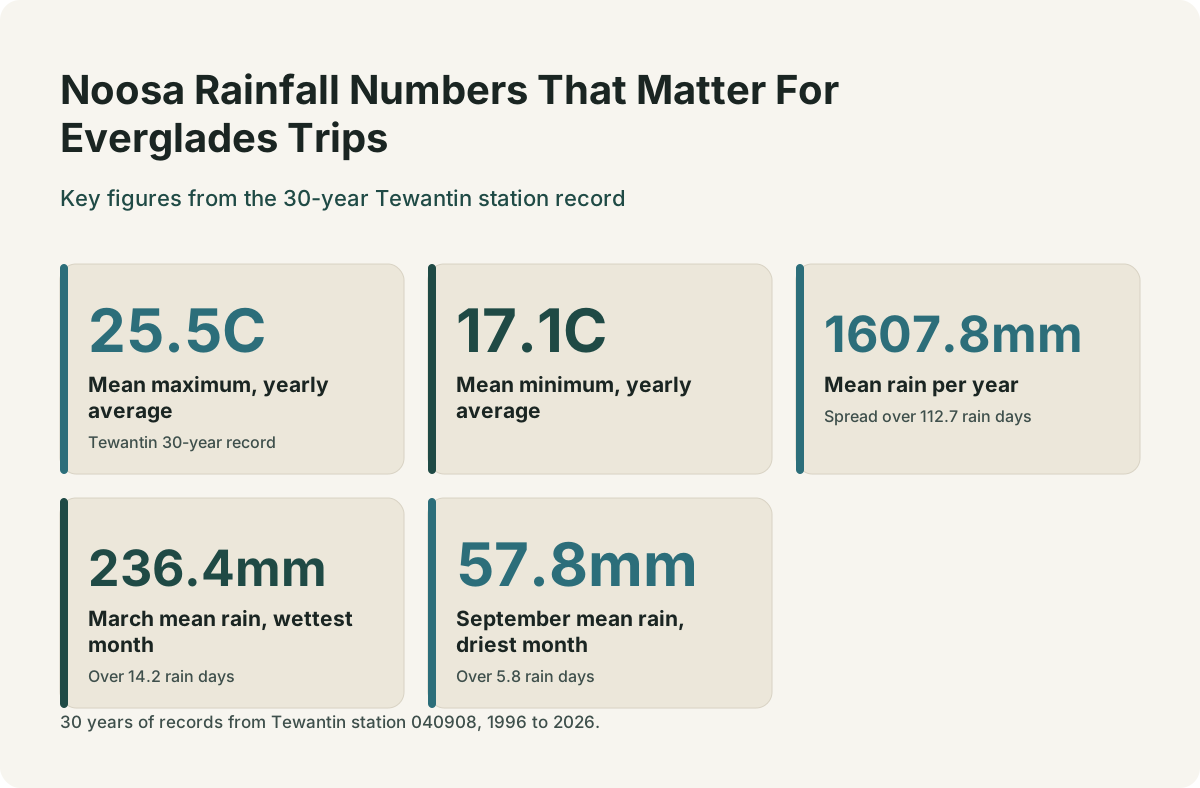
Noosa's nearest official weather station at Tewantin records a 25.5C mean maximum and 1607.8mm of rain across 112.7 rain days per year, averaged over 30 years. March is the wettest month at 236.4mm and September the driest at 57.8mm. June to August are the coolest months, with mean maximums of 21.4 to 22.5C.
What Is Noosa Weather Really Like Across The Year?
Noosa averages a 25.5C mean maximum and a 17.1C mean minimum across the year, with 1607.8mm of rain spread over 112.7 rain days, according to 30 years of records from the Tewantin station, the closest official station to the Everglades. There is no Bureau of Meteorology normals station at Noosa Heads or Noosaville, so every credible Noosa weather figure you will read on this site comes from Tewantin, which sits on the Noosa River itself.
That station detail matters more than it sounds. Plenty of travel pages quote "Noosa weather" numbers without saying where they come from, and the Bureau maintains no long-term averages station in Noosa Heads. Tewantin RSL Park, station number 040908, has been open since 1995 and carries a full 30 years of record from 1996 to 2026. It is the nearest official reference point for the upper river, Lake Cootharaba and the launch points at Boreen Point and Elanda Point, and its numbers are the only climate figures used on this page. The full table is published by the Bureau of Meteorology Tewantin station.
The headline pattern is a humid subtropical one: warm to hot months from October through March, a mild dry shoulder in late autumn and winter, and a spring that is reliably the driest stretch of the year. Rainfall is the real variable for river trips, not temperature. The difference between the wettest month, March at 236.4mm, and the driest, September at 57.8mm, is a factor of roughly four, and that gap shapes everything from water clarity on the river to how busy the campsite bookings get.
One more thing worth knowing before the month by month detail: the averages are pulled upward by wet years. The median rainfall, the decile 5 figure, sits below the mean in every single month of the Tewantin table. A typical year is drier than the average year, which means the averages are a cautious planning tool rather than a prediction.
Noosa Weather By Month: The Full Averages Table
The table below lists every month's mean maximum, mean minimum, mean rainfall and rain days from the 30-year Tewantin record. Read it as a planning range, not a forecast: March averages 236.4mm of rain over 14.2 rain days while September averages just 57.8mm over 5.8, and the temperature spread between the warmest and coolest months is only about 7C at the maximum end.
| Month | Mean Max C | Mean Min C | Mean Rain mm | Rain Days (1mm+) | Trip Note |
|---|---|---|---|---|---|
| January | 28.7 | 22.0 | 149.8 | 10.7 | Hot and humid, warm nights, book water trips early in the day |
| February | 28.6 | 22.0 | 233.7 | 12.8 | Second wettest month, storm risk, flexible plans help |
| March | 27.7 | 21.0 | 236.4 | 14.2 | Wettest month of the year, highest rain-day count |
| April | 26.0 | 18.2 | 151.6 | 11.7 | Warm days, cooling nights, rain easing off |
| May | 23.7 | 14.9 | 162.1 | 10.5 | Mild and pleasant, one of the calmest paddling months |
| June | 21.7 | 12.5 | 112.7 | 8.7 | Cool and dry, great value season |
| July | 21.4 | 11.3 | 71.7 | 7.1 | Coolest month, driest of the winter, pack a layer |
| August | 22.5 | 11.8 | 76.9 | 5.5 | Cool, dry and stable, lowest rain-day count of the year |
| September | 24.4 | 14.6 | 57.8 | 5.8 | Driest month of the year, prime booking window |
| October | 25.8 | 17.1 | 112.1 | 8.0 | Warming up, spring wildflower season, rain returning |
| November | 26.9 | 18.9 | 99.0 | 7.9 | Warm and mostly dry, busy with school holiday flow |
| December | 28.2 | 20.8 | 147.4 | 9.8 | Hot, humid, storm season building |
The shape of the year is easy to see in those numbers. Summer delivers the heat but also the two wettest months, February and March, back to back. Winter trades a few degrees of warmth for the driest, most stable conditions. Spring, and September in particular, is the sweet spot where warmth returns before the rain does.
For a river trip the rain-day column is arguably more useful than the rainfall total. August records just 5.5 days with a millimetre or more of rain across the whole month, against 14.2 in March. A five-hour cruise in a month that averages six wet days is a very different proposition to one in a month that averages a wet day every second day.
If you are weighing options, the trio below covers the three main ways to see the river, a short afternoon cruise, a full-day guided kayak and a cruise plus canoe day, and each suits a slightly different weather window.
Which Season Suits An Everglades Cruise Best?
Spring, from September to November, is the strongest overall season for an Everglades cruise: September is the driest month of the year at 57.8mm, mean maximums climb from 24.4C to 26.9C, and the water is warm enough that a boat-based day needs no special preparation. Winter runs it close, trading a few degrees for the year's most stable conditions, while summer offers warmth but the year's heaviest rain.
| Season | Months | Mean Max Range | Rain Character | Best For |
|---|---|---|---|---|
| Summer | Dec to Feb | 28.2 to 28.7C | 147.4 to 233.7mm, humid, storms | Early morning starts, flexible plans |
| Autumn | Mar to May | 23.7 to 27.7C | Wet in March, easing by May | May cruises, shoulder value |
| Winter | Jun to Aug | 21.4 to 22.5C | 71.7 to 112.7mm, stable | Cool weather paddling, calm mornings |
| Spring | Sep to Nov | 24.4 to 26.9C | 57.8 to 112.1mm, driest stretch | The best all round window |
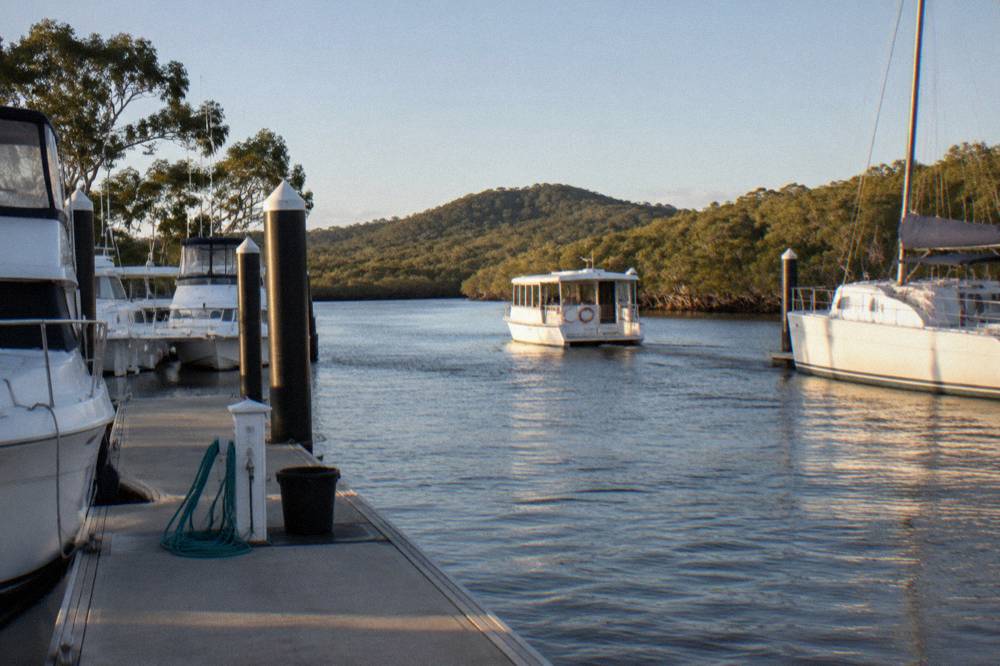
A cruise is the most weather-tolerant format on the river because you are on the water but not in it, and you are moving under cover for at least part of most vessels. The featured afternoon cruise, the 2.5-Hour Afternoon Cruise from $69, is rated 4.5 from 1,093 reviews and includes a glass of sparkling wine, beer or juice, which makes it a comfortable choice even in the cooler months when a swim is off the cards. It departs from Boreen Point and free cancellation applies up to 24 hours, useful in the wetter months when a forecast can turn late.
Winter deserves more credit than it gets. A 21.4C mean maximum in July is a mild day by almost any standard, the rain-day count drops to 7.1, and the cooler air keeps the midges and mosquitoes down compared with the humid months. The trade-off is cold mornings on the water, so a warm layer for the first hour matters.
How Much Does Rain Change The Upper Noosa River?
Rain changes the river more than temperature does. Heavy rain lifts the river, muddies the tannin reflections that draw most visitors, and triggers track alerts in the surrounding park, while a dry month leaves the water still and the mirror effect at its best. March, at 236.4mm over 14.2 rain days, is the month most likely to disrupt plans; September, at 57.8mm, is the month least likely to.
The reflections are the headline act, and they are weather dependent in a way the brochures rarely spell out. The dark tannin stained water reflects the paperbarks and bloodwoods best on calm, dry days. After sustained rain the surface can carry debris and the banks soften, and the famous mirror effect weakens. Visitors chasing that specific photograph should bias toward the dry months and early mornings.
Park conditions move with the rain too. The Cooloola conditions report, updated by Queensland Parks and Wildlife Service, is the document to check before any upper river trip, and the current version was released 30 September 2026. It carries the active alerts: water lies across sections of the Cooloola Wilderness Trail until 8 November 2026, and the southern day-use jetty at Upper Noosa River Campsite 3 stays closed until 24 October 2026, with the northern camper's jetty open as normal. Neither alert stops the tour boats, but both matter if your trip includes camping or walking. The Cooloola conditions report is the official source.
Kayak days feel the rain more than cruise days, since you are exposed for hours at a stretch. The full-day guided kayak, Full-Day Guided Kayak from $148, rates 4.9 from 158 reviews, runs about 6 hours from 8:30am and includes lunch, fresh fruit, baked bread and drinks, which is a meaningful comfort when the weather turns. It meets at the Elanda Point canoe launch with no pickup, so a wet forecast also means a wet drive.
Summer In Noosa: December To February
Summer brings the year's warmest weather, mean maximums of 28.2 to 28.7C and overnight minimums around 22C, but also its heaviest rain, with February averaging 233.7mm and March 236.4mm. The workable summer strategy is early starts, shorter trips and flexible bookings, since storms tend to build through the day and the morning water is at its calmest.
Humidity is the hidden cost of a Noosa summer. A 22C overnight minimum means the air holds its moisture, and paddling hard through the middle of the day is a different experience to the same paddle at 8:30am. The Kanu Kapers kayak days start at 8:30am for exactly that reason, and the cruise departures cluster in the morning and mid-afternoon around the same logic.
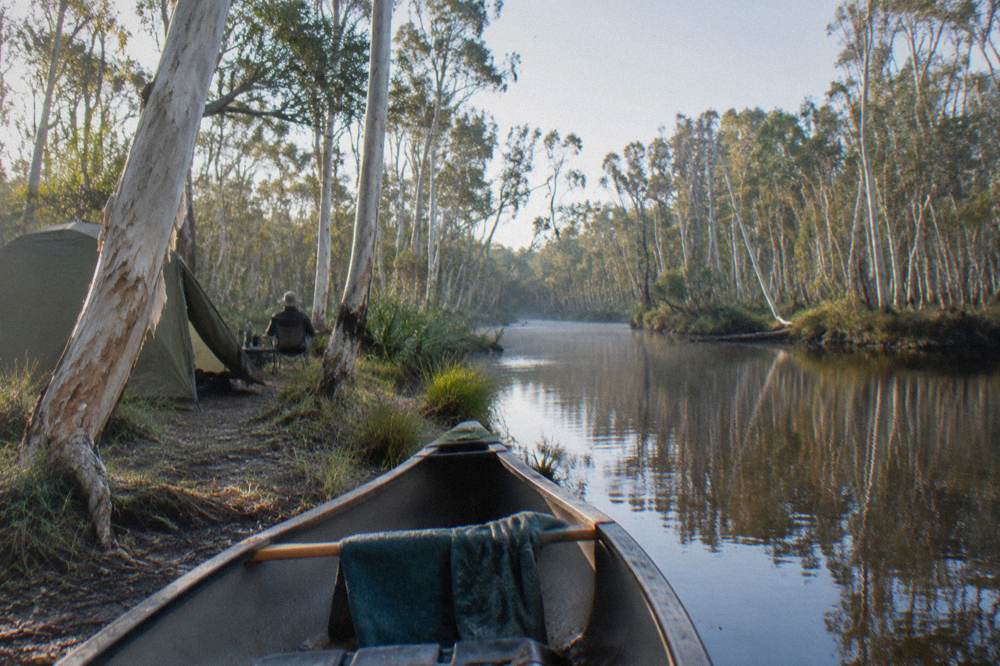
Storms in the wet months are usually short and sharp rather than all-day rain, but the averages do not promise that. February's 233.7mm mean comes with a 12.8 rain-day count, so a week-long visit in a typical February should expect two or three wet days and plan around them. Free cancellation terms become genuinely valuable here: the afternoon cruise and the Explorer cruise both offer free cancellation up to 24 hours, while some kayak listings state no free cancellation, so read the booking page before committing to a summer paddle.
Summer is also the season to think about sun exposure on open water. The crossing of Lake Cootharaba has no shade, and the river sections alternate between full sun and deep paperbark shade. A hat, long sleeves and water are standard kit, and the packing section below covers the rest.
The Cool Dry Window: May To August
May to August is the value window: mean maximums run 21.4 to 23.7C, rain eases to between 71.7 and 162.1mm a month, and May in particular pairs a mild 23.7C mean maximum with only 10.5 rain days. Nights get genuinely cool, down to an 11.3C mean minimum in July, so the packing list shifts from sun protection to a warm layer for the first hour on the water.
Winter on the upper Noosa River is quiet in every sense. The rain-day counts drop to 7.1 in July and 5.5 in August, the lowest of the year, and the still, cool air of a winter morning is when the tannin water is at its most mirror-like. Photographers chasing the reflection shots that made this stretch of river famous often choose July and August for exactly this combination of calm and clear.
The trade-offs are real but small. Days are shorter, so an 8:30am kayak start lands in the coldest part of the day. The water is cool, and swimming is a personal call rather than an obvious yes. And a 21C mean maximum can dip well below that on a southerly change, so a windproof layer earns its place in the dry bag.
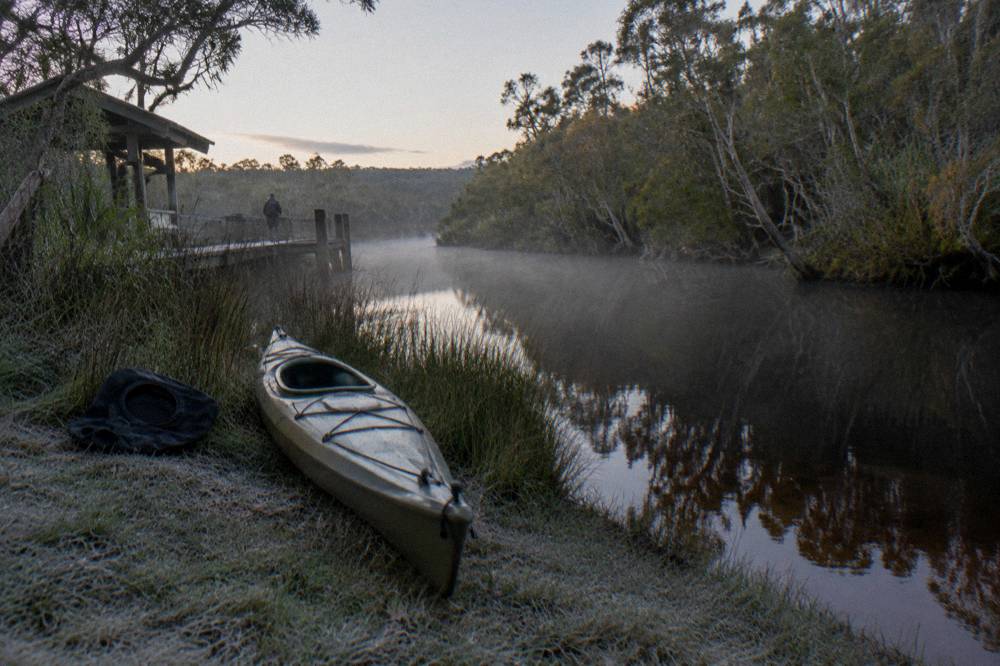
For campers the cool window is the easiest to plan. Campsite bookings on the upper river are quieter outside school holidays, and the winter months avoid both the March rain peak and the summer storm season. The camping fees are $7.75 per person per night or $31.00 per family per night, with a maximum stay of 7 nights at campsites 1 to 15 and 14 nights at Fig Tree Point and Harrys. The details, including the fire rules and what to carry out, are covered in the Noosa Everglades camping guide.
When Should You Cross Lake Cootharaba?
Queensland Parks and Wildlife Service advises planning to cross Lake Cootharaba early in the morning, when conditions are likely to be calm and travel is easiest, and that advice holds in every season. The lake is the most exposed stretch of any Everglades trip, and afternoon breeze is the single most common reason a paddler's timeline slips, so an early start is the one weather tactic that applies year round.
The official guidance is plain: both launching areas at Boreen Point and Elanda Point are accessible by two-wheel-drive vehicles, and the crossing is best made early. That is the full extent of what can be said with authority, because this site does not publish wind speeds or water temperatures, and neither should a planning page that cannot verify them. What the record does show is that the calmest months on paper, the low rain-day months of winter and spring, also tend to give the calmest mornings on the water.
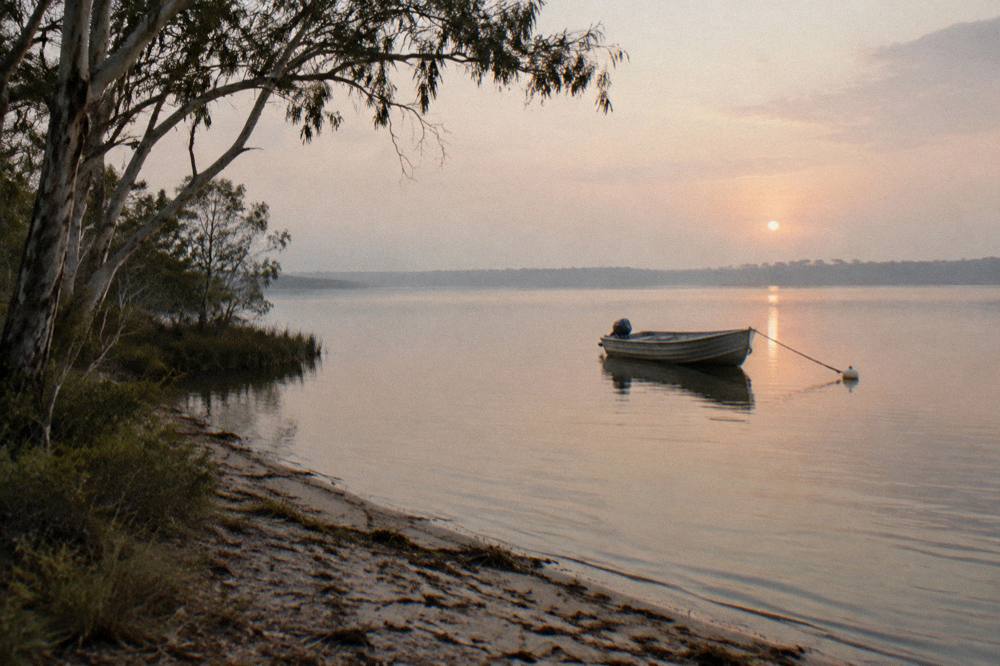
One access note for late October: the Boreen Point N4 amenities block on Boreen Parade is closed for roof replacement from 19 to 24 October 2026, daytime hours only, with alternatives about 500m away at the N3 block by the Urangan Parade boat ramp and the N5 picnic area by the caravan park. It does not affect the boat ramp or the tours, but anyone spending the day at Boreen Point before a departure should know where the open facilities are.
A cruise-plus-canoe day splits the difference on weather exposure nicely, since the boat handles the lake crossing and the canoe section sits in the sheltered river. The 6-Hour Canoe Trip from $119.67 rates 4.6 from 379 reviews, round-trip transfers from central Noosa can be arranged and confirmed at booking, and lunch and drinks are available to purchase on site.
What Should You Pack For Noosa Weather?
Pack for two climates in one day: sun protection and a drinking bottle for the exposed crossing, plus a warm or windproof layer for cool mornings and winter departures, and a light rain jacket in every month from October through March. Insect repellent is sensible year round on the upper river, and nothing on the official pages says otherwise, so bring it and use it.
The layering logic follows directly from the table above. The gap between a night minimum of 11.3C in July and a daytime maximum above 21C on the same day is a full outfit's worth of change, and on the water you cannot go back to the car. A dry bag is standard on kayak trips, less critical on a cruise but still useful for phones and cameras on a drizzly day.
There is no official Cooloola-specific advice on mosquitoes, midges or snakes on the Parks and Wildlife visiting safely pages, so this site does not dress general caution up as local fact. Repellent, closed shoes and common sense cover what the official record supports. The full kit list, including what the tour operators themselves provide, is in the what to bring for the Everglades guide.
Weather also shapes which tour format to book at all. If the forecast looks changeable, the 4.5-Hour Explorer Cruise from $117 rates 4.6 from 279 reviews and includes morning refreshments with lunch available to buy at the on-site bistro, a boat-based format that shrugs off a shower better than a paddle does. Free cancellation up to 24 hours applies.
Which Month Should You Book For The Best Trip?
September is the single best month on the weather record: the driest of the year at 57.8mm, a mild 24.4C mean maximum, and only 5.8 rain days on average. August and October sit close behind, and May is the best of the autumn. If your dates are locked to the summer holidays, book a morning departure, choose a cruise over a long paddle, and keep the free cancellation terms in mind.
The honest summary of thirty years of data is that Noosa rarely has bad weather for a river trip, it has weather that suits different formats. A hot, humid February afternoon is a cruise afternoon. A still, cool July morning is a kayak morning. A showery October week is a week for the flexible, and the operators on this roster run year round with no seasonal shutdown reported on their own pages.
The table below matches each main tour format to the weather it handles best, using each listing's own duration, price and cancellation terms. It is the practical bridge between the averages table at the top of this page and the booking decision at the end of it.
| Tour Format | Duration | From Price | Cancellation | Best Weather Fit |
|---|---|---|---|---|
| Afternoon cruise | 2.5 hours | $69 | Free up to 24 hours | Any month, strong pick in the wet season |
| Afternoon tea cruise | About 2 hours 30 minutes | $70.10 | 48 hours notice asked | Calm afternoons, spring and autumn |
| Explorer cruise | 4.5 hours | $117 | Free up to 24 hours | Changeable months, boat handles the lake |
| Cruise and canoe day | About 6 hours | $119.67 | Free up to 24 hours | Dry months, May to October |
| Full-day guided kayak | About 6 hours | $148 | Check the booking page | Cool dry mornings, winter and spring |
| Self-guided kayak | About 6 hours | $85.68 | Check the booking page | Experienced paddlers in calm months |
Choosing between the formats comes down to time, budget and weather tolerance, and the how to choose an Everglades tour guide walks that decision in detail. The side-by-side comparison on the homepage puts all nine listings, from the $69 afternoon cruise to the $527 private hinterland day, in one table with durations and cancellation terms.
Whatever the month, the early-morning rule from the Parks and Wildlife Service is the one tactic worth building a day around. Cross the lake early, be on the river before the breeze builds, and let the averages take care of the rest.
Common Questions About Noosa Weather
What Is The Wettest Month In Noosa?
March, averaging 236.4mm of rain across 14.2 rain days in the 30-year Tewantin record. February is close behind at 233.7mm. If you are visiting in either month, book a trip with free cancellation and keep a dry-weather alternative in mind.
What Is The Driest Month In Noosa?
September, averaging just 57.8mm of rain over 5.8 rain days. August is the next driest at 76.9mm and has the fewest rain days of the year. Both months pair low rainfall with mild mean maximums of 22.5 to 24.4C.
When Is It Too Hot For The Everglades?
The record never shows extreme heat: the warmest mean maximum is 28.7C in January. What summer adds is humidity and overnight minimums around 22C. The practical answer is not to avoid summer but to start early, since the Kanu Kapers kayak days depart at 8:30am and the lake crossing is calmest then.
Is Noosa Weather Good For Kayaking Year Round?
Yes, with adjustments. Winter mornings are cool, down to an 11.3C mean minimum in July, so pack a warm layer. Summer afternoons are humid and storm-prone, so paddle early. Spring and May offer the best balance of warmth, low rain and calm water.
Does It Rain All Day In Noosa In March?
The averages cannot promise that either way. March records 236.4mm over 14.2 rain days, which typically means short heavy falls rather than continuous rain, but the mean is pulled up by wet years and the median is lower. Treat March as a month for flexible plans rather than a washout.
Which Noosa Weather Station Should I Trust?
The Bureau of Meteorology's Tewantin station, number 040908, is the nearest official normals station to Noosa and the Everglades, with 30 years of record. There is no Bureau station at Noosa Heads or Noosaville, so any page quoting "Noosa weather" figures without naming Tewantin is guessing its source.