What To Bring To The Noosa Everglades: Packing List By Tour Type
The upper Noosa River is a remote, tannin-stained waterway with no shops, no drinking water you can trust untreated, and a boat deck that runs cooler than the shore. What you carry decides how comfortable the day is.
Short answer
Pack sun protection, insect repellent, a warm layer for the boat, closed water shoes, a dry bag on paddle days, and cash or card for the on-site bar and bistro. The 2.5-hour afternoon cruise from $69 includes a drink; the full-day guided kayak from $148 includes lunch, so check your listing before you pack food.
The upper Noosa River runs 27.7 kilometres one way through the Cooloola Recreation Area, and almost none of it has a shop, a tap you can trust, or shelter from the sun. Queensland Parks and Wildlife Service describes the waterway as a canoe, kayak and boat journey with five hours of suggested paddling time, which tells you the environment is the whole point and also the whole problem. A packing list for this river is not a beach list. It is closer to a light bushwalking list with a waterproof twist.
This guide breaks the packing question down by trip type, because the three families of tours on the water have genuinely different needs. A 2.5-hour afternoon cruise wants a warm layer and a camera. A 6 to 7.5-hour kayak day wants a dry bag, proper footwear and enough water. A camping extension wants a fuel stove, because open fires are prohibited at every Upper Noosa River campsite. The tables below take every price and inclusion straight from the live tour pages.
What To Bring To The Noosa Everglades: The Short Answer
The core list is sun protection, insect repellent, a jumper or windproof layer, closed water shoes, a dry bag on paddle days, a refillable water bottle, and cash or card for the on-site bistro. Tours differ on food: the afternoon cruises include a drink, the guided kayak days include lunch, and the Explorer cruise and canoe day sell lunch on site. Pack for the longest, most exposed version of your day.
That is the one-paragraph answer, and it holds for every listing on the river. The details change with the season, the trip and whether you are camping, and those details are where most people get caught out. The river is remote enough that a forgotten hat or an empty bottle is not a quick fix, and the launch points at Boreen Point and Elanda Point are small places with limited facilities, not town centres.
Start with this table, then read the sections that match your trip. The "which trip" column tells you where each item earns its place, so you can cut the list down rather than carry everything on a short cruise.
| Item | Why it matters | Which trip |
|---|---|---|
| Hat, sunglasses, high-SPF sunscreen | No shade on open water; the river runs east to west so sun hits all day | All trips |
| Warm layer or windproof jumper | Boat wind chill drops the felt temperature fast on the water | Cruises, especially afternoon and evening returns |
| Insect repellent | No official QPWS insect advice exists for this river, so general protection is plain sense | All trips, essential near dawn and dusk |
| Closed water shoes | Muddy, uneven banks at Kinaba and Fig Tree Point; jetties and canoe launches are wet | Kayak and canoe days |
| Dry bag, 10 to 20 litres | Keeps spare clothes, phone and camera dry on open crossings | All kayak and canoe trips |
| Refillable water bottle | No treated water at campsites; Harrys day-use water must be treated before use | All trips, critical on 6-hour days |
| Cash or card | Lunch is bought at the on-site bar and bistro on the Explorer cruise and the canoe day | Explorer cruise, canoe BBQ day |
| Rain shell | Spring and summer showers arrive fast on the lakes | All trips, October to March |
If you only remember three things from this guide, make them the warm layer, the water and the shoes. Everything else is comfort. Those three are the difference between a good day and a cut-short one.
Sun, Insects And The Weather Reality On The Water
Sun protection is non-negotiable on this river: the water reflects UV from below while the sky hits you from above, and the lake crossings at Lake Cootharaba offer no shade at all. For insects, no official Queensland Parks and Wildlife Service advice specific to mosquitoes or biting midges was found on the Cooloola pages, so pack repellent as general sense rather than a park rule.
The sun point deserves emphasis because it surprises people. A day on the upper Noosa River is a day on open water for the crossing sections, and even the forested Narrows stretch, the 2.5-kilometre run of tannin-stained water that operators call the River of Mirrors, gives filtered light rather than shade. A broad-brim hat beats a cap here. Sunglasses matter more than most people expect because the dark water throws glare straight back up.
The insect question is honest but thin on official ground. The sources checked contain no QPWS or Queensland Health statement specific to mosquitoes, biting midges or sandflies on the Cooloola Recreation Area or upper Noosa River pages, and general Queensland Health resources on biting midges do not address this location. So the advice is ordinary prudence: bring a repellent you trust, wear long sleeves for dawn and dusk hours, and reapply after the sweat of paddling. The kayak days start at 8:30am, which puts your launch and first stretch in the cooler, lower-sun hours.
Weather planning comes from the Bureau of Meteorology's Tewantin station, the nearest one with a 30-year record, and its averages shape what a "warm day" actually means here. October averages a 25.8 degree maximum and 17.1 minimum; July, the coldest month, averages 21.4 and 11.3. Rain is measured in mean terms, and the mean sits above the median in every month, which means wet years pull the average up: February's 233.7 mm mean is not what a typical February delivers.
| Month | Mean max C | Mean min C | Mean rain mm | Packing read |
|---|---|---|---|---|
| January | 28.7 | 22.0 | 149.8 | Full sun kit, rain shell, repellent |
| April | 26.0 | 18.2 | 151.6 | Warm layer for the boat still needed |
| July | 21.4 | 11.3 | 71.7 | Jumper essential, mornings genuinely cold on the water |
| October | 25.8 | 17.1 | 112.1 | Sun kit plus a layer for the afternoon cruise |
| December | 28.2 | 20.8 | 147.4 | Full sun kit, storm shell, extra water |
A rain shell earns its space from October right through to March, when mean rainfall runs above 99 mm every month. It does not need to be expensive. It needs to be in the dry bag rather than left in the car.
For trip planning beyond packing, the best time to visit guide breaks the season question down month by month, and the weather by month guide holds the full climate table if you want to plan around the wettest stretch, which the BoM data places in March.
If you are still choosing a trip rather than packing for a booked one, three formats sit side by side here: the full-day guided kayak with lunch included, the short afternoon cruise with a drink included, and the cruise-plus-canoe day with lunch available to buy on site.
Clothing And Footwear: Why A Jumper Belongs In Your Bag
Pack one more warm layer than the forecast suggests, because the boat crossings run cooler than the shore and one guest review of the Explorer canoe day notes the boat gets cold on the water even in warm weather. Footwear should be closed water shoes or old runners with grip: the banks at Kinaba and the canoe launches are muddy, wet and uneven, and thongs fail on every count.
The jumper advice sounds odd for a subtropical river, and it is the single most useful line in this guide. The afternoon cruise and the Explorer cruise both cross Lake Cootharaba, and the boat's motion plus the wind over open water strips heat fast. The guest feedback on the cruise listing, paraphrased rather than quoted, describes exactly this: cold on the boat despite a warm day on land. A light fleece or windproof layer takes no space and saves the second half of the trip. On morning kayak departures, which start at 8:30am on both Kanu Kapers listings, the same logic applies for the first hour on the water.
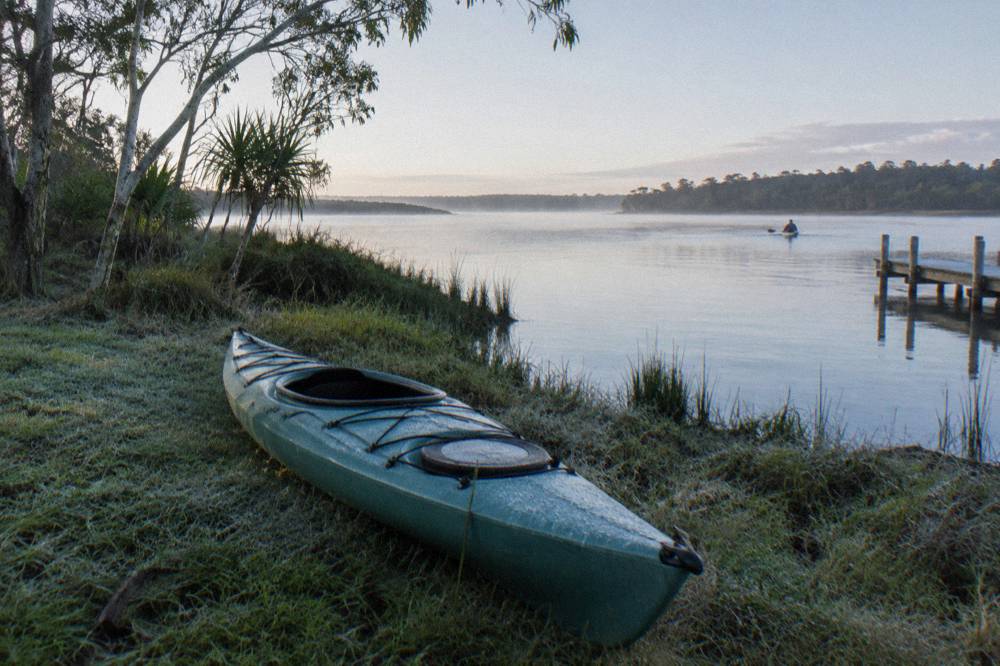
Footwear is the other quiet failure point. The Elanda Point canoe launch and the Boreen Point boat ramp are working access points, not beaches. You step into shallow water, onto wet timber jetties and through mud to launch and land a canoe. Closed water shoes with grip handle all of it and dry overnight. Old runners work. Thongs do not, and bare feet on a hot deck or a splintered jetty end the day early. The full-day guided kayak, which meets at the Elanda Point Canoe Launch on Lake Flat Road, involves repeated wet entries across roughly six hours, so footwear that stays on your feet in mud is worth actual money.
Clothing beyond that is simple. Quick-dry fabrics over cotton, because a capsize or even heavy sweat leaves cotton wet and heavy for hours. Long sleeves for sun and insects beat sunscreen alone on the forearms. A change of dry clothes left in the car for the drive home is a small luxury that feels large at 3pm.
The full-day guided kayak with Kanu Kapers Australia runs about 6 hours from 8:30am, is rated 4.9 from 158 reviews, and includes lunch, fresh fruit, baked bread and drinks, which removes most of the food-packing question in one move. Read the full tour page for the meeting details, and Check availability if the dates line up. The listing states no free cancellation, so confirm the terms on the booking page before you count on flexibility.
Water, Food And Money: What The Listings Already Include
Do not count on buying water or food once you are on the river: the afternoon cruises include one drink each, the guided kayak days include lunch, and the Explorer cruise and the canoe BBQ day sell lunch at an on-site bar and bistro, so bring cash or card and your own water regardless. Untreated water at Harrys day-use area must be treated before use, per the park's own page.
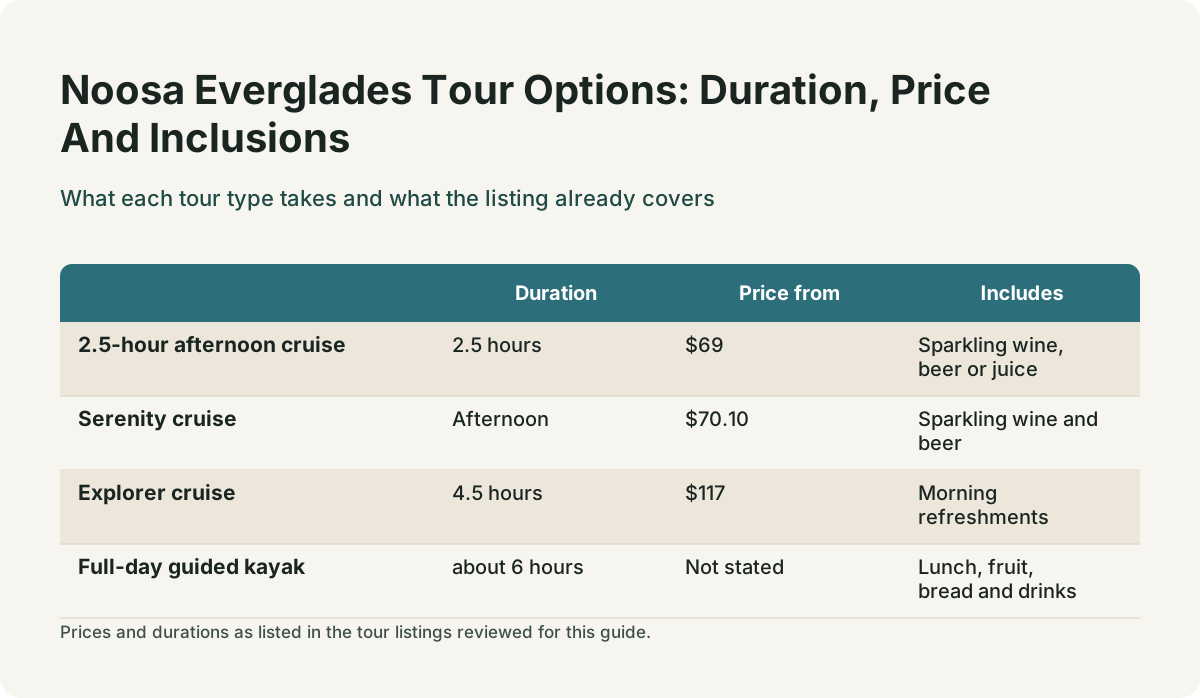
The inclusion picture differs by listing, and it is the difference between a light pack and a heavy one. The 2.5-hour afternoon cruise from $69 includes a glass of sparkling wine, beer or juice, which covers the refreshment question for a short trip. The Serenity cruise, the other afternoon option from $70.10, also includes sparkling wine and beer. The 4.5-hour Explorer cruise from $117 includes morning refreshments and leaves lunch to the on-site bar and bistro. The 6-hour canoe day from $119.67 works the same way, with lunch and drinks available to purchase on site. Everything else covered here is indexed on Noosa Everglades Tours.
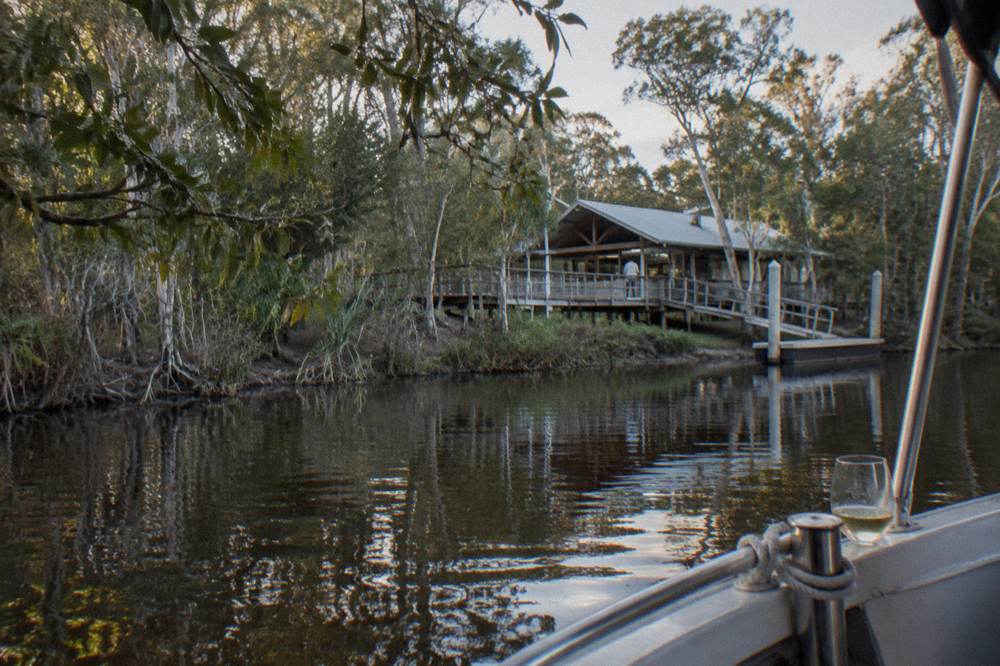
The kayak days are the food-simple ones. The Kanu Kapers full-day guided tour includes lunch, fresh fruit, baked bread and drinks. The Adventure Tribe 7.5-hour guided kayak includes morning tea, lunch and coffee with local organic food. The self-guided listings on both operators include no meal, so those are the days where a packed lunch and snacks matter most, and where the dry bag earns its keep keeping them dry and squash-free.
Water is the item nobody should skip regardless of listing. The park's Harrys day-use area page states drinking water is provided there but should be treated before use, and the camping page notes the supply is not guaranteed. Treat every water source on the river as needing a filter, purification tablets or a boil before drinking, and carry what you need for the day. On a 6 to 7.5-hour paddle day in the warmer months, plan on more than you think: two litres per person is a sensible floor for a full day, and more in January and February heat.
| Listing | From price | Food and drink included | What to pack |
|---|---|---|---|
| 2.5-Hour Afternoon Cruise | $69 | A glass of sparkling wine, beer or juice | Water, a snack, warm layer |
| Afternoon Tea Cruise | $70.10 | Sparkling wine and beer | Water, warm layer |
| 4.5-Hour Cruise, Lunch Extra | $117 | Morning refreshments; lunch to buy at the bistro | Cash or card, water |
| 6-Hour Canoe Trip, BBQ Lunch Extra | $119.67 | Lunch and drinks to purchase on site | Cash or card, water, dry bag |
| Full-Day Guided Kayak | $148 | Lunch, fresh fruit, baked bread, drinks | Water only, plus personal items |
| 7.5-Hour Guided Kayak | $137 | Morning tea, lunch and coffee | Water only, plus personal items |
| Self-guided kayak days | $80 to $85.68 | No meal listed | Full packed lunch, snacks, extra water |
The 7.5-hour guided kayak from Adventure Tribe Aus runs $137 with a 4.8 rating from 9 reviews, a thin sample worth naming as such, but its inclusion list is the most complete on the river: morning tea, lunch and coffee with local organic food, which turns the packing question into water, clothes and camera only.
Dry Bags, Cameras And Paddle Day Gear
A 10 to 20 litre dry bag is the single most useful piece of kit on any kayak or canoe day: it keeps spare clothes, phone, camera and lunch dry through the Lake Cootharaba crossing, which is the exposed stretch where wind and chop are most likely. Phones should ride in a pouch with a lanyard, and a camera needs a strap and a plan for what happens if the boat tips.
The crossing deserves its own sentence. Elanda Point sits on Lake Cootharaba, and every paddle day from there starts with open water before the river narrows. The park's own guidance suggests crossing the lake early in the morning when conditions are likely to be calm, which is why the 8:30am starts exist. Wind can still arrive, and a dry bag is cheaper than a phone. Zip-lock bags inside the dry bag add organisation and a second line of defence for small items.
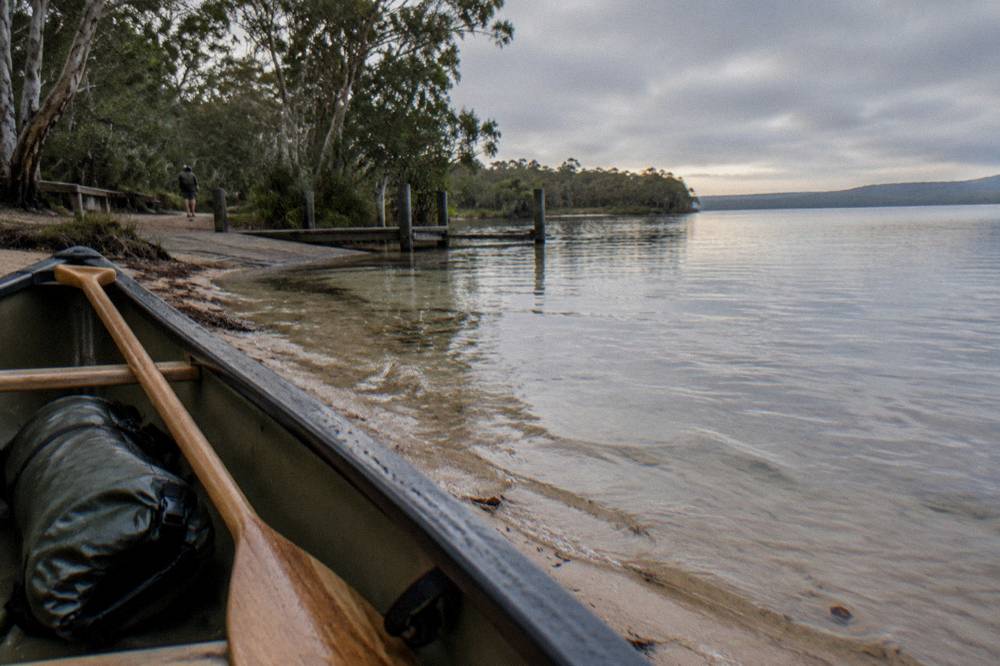
Cameras work on this river, and the reflections are the reason people bring them. The tannin-stained water mirrors the paperbarks so completely that a mid-river shot looks doubled. The practical risks are water and dropping, so a wrist or neck strap is the minimum, and a small towel in the dry bag handles lens spray. Binoculars suit the birdlife: the park lists cormorants, wood ducks, egrets, spoonbills and darters around Fig Tree Point, best in the early morning or late afternoon, and more than 350 bird species across the wider Cooloola Recreation Area.
Small items that punch above their weight on paddle days: a small towel, a sealed first-aid kit with blister plasters, a headlamp if there is any chance of a late return, a spare pair of contact lenses or glasses, and a rubbish bag, because the park asks visitors to take all rubbish out. A carabiner to clip keys to the dry bag has saved more trips than almost anything else on this list.
| Dry bag item | Why | Notes |
|---|---|---|
| Spare top layer | Warmth after capsize or sweat chill | Quick-dry fabric |
| Phone in submersible pouch | Photos, booking confirmation, emergency contact | Lanyard inside the bag |
| Packed lunch and snacks | No shops on the river; self-guided days include no meal | Squash-proof packaging |
| First-aid kit | Blisters, cuts, headache basics | Sealed against water |
| Water, two litres or more per person | No treated supply on the river | Add a filter or tablets |
| Keys and wallet on a carabiner | Loss in deep, dark water is unrecoverable | Clip, do not pocket |
The self-guided kayak day from Kanu Kapers runs about 6 hours from the same Elanda Point launch, from $85.68, rated 4.8 from 133 reviews, and lists no meal, so it is the listing where this whole dry bag table matters most. Groups go up to 20 on that one, which makes it a workable choice for a self-catered group day. The self-guided canoe and kayak hire guide covers the planning side in detail.
What To Pack For Camping Nights On The River
Camping extensions change the list fundamentally: open fires are prohibited at every Upper Noosa River campsite, so a gas or fuel stove is required for hot food, camping permits cost $7.75 per person per night from 1 July, and portable toilets are recommended for campsites 4 to 15 where there are no facilities. Pack light, pack dry, and pack everything out.
The fire rule is the one that catches campers. Fires are prohibited at all Upper Noosa River campsites, along with the Teewah Beach zones and Freshwater, and only approved gas or manufactured-fuel appliances are allowed. A compact stove, a lighter and a pot cover the cooking question. The full rules, fees and booking process are laid out in the camping guide, and the site-by-site detail, including which campsites have toilets and jetties, is in the Upper Noosa River campsites 1 to 15 guide.
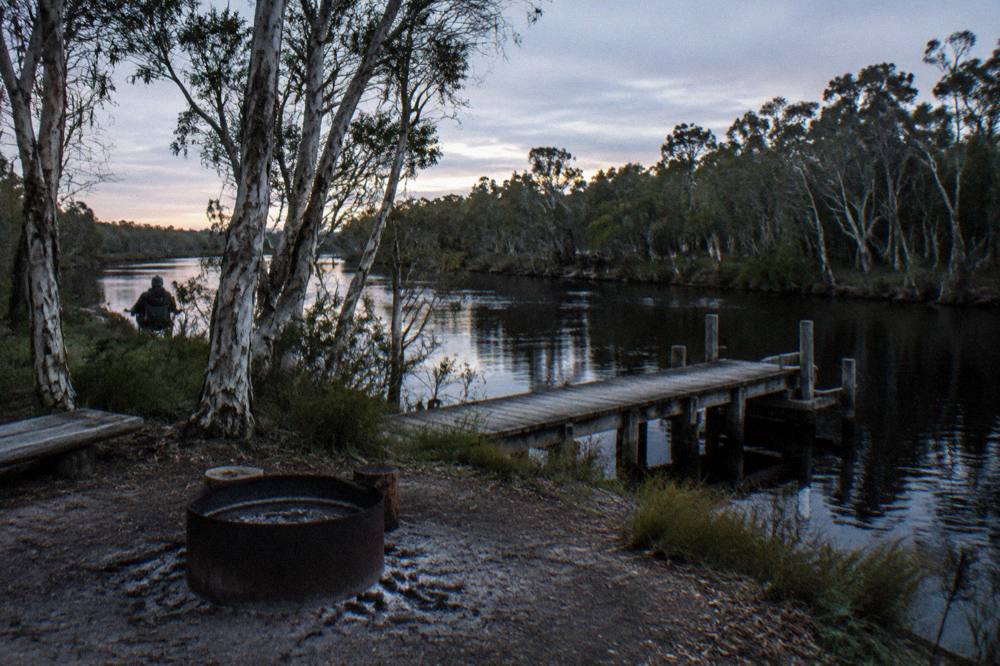
Water treatment moves from sensible to essential on camping nights. The park provides water at Harrys day-use area that must be treated, and the supply is not guaranteed, so a filter or tablets plus a capacity to carry several litres per person is the baseline. Nights on the river run cooler than the coast: the Tewantin averages put July nights at 11.3 degrees and even January at 22.0, so a sleeping layer rated below the forecast minimum is the safe call, and a beanie is not a joke item here between May and September.
Two current alerts shape camping plans in late 2026. The southern day-use jetty at Campsite 3 is closed until 24 October 2026 after flood damage, with the northern camper's jetty still open, which matters for mooring and landing plans at that site. And a pest control program runs across the Cooloola Recreation Area from 31 October to 28 November 2026, closing the Eastern and Western Firebreaks for the full period, which affects road-based access to some areas rather than the river campsites themselves.
For campers who want the lightest possible load, the 7.5-hour self-guided kayak from Adventure Tribe Aus at $80 covers the day paddle, and the operator's camping extensions can be arranged for the nights beyond it. That listing runs 4.8 from 16 reviews, another thin sample, and lists no meal, so the food and stove packing falls entirely on you.
A Note On Safety Items And What Not To Bother With
Skip the snorkel, the fishing rod without a permit check and any single-use plastic you can replace: the practical safety additions are a first-aid kit, a whistle, a headlamp and a plan for telling someone your route. No official statement on crocodiles was found on the Parks and Wildlife pages for Cooloola, so pack for ordinary river hazards, cold water, sun, wind and remoteness, rather than exotic ones.
The sources checked contain no official statement confirming crocodiles in the Noosa River, upper river, Lake Cootharaba or Cooloola pages, and no official statement was found on snakes or ticks specific to Cooloola either. That is an absence of official wording, not a promise of safety, and the right response is ordinary precautions rather than either fear or dismissal. A closed shoe, a first-aid kit and a check of the live Cooloola conditions report before you travel cover most of what a day on this river asks.
What not to pack is a shorter list and a useful one. Do not bring glass bottles where a capsize could smash them in a canoe. Do not bring a drone without checking park rules on their use. Do not bring a heavy bath towel; a compact quick-dry one does the job. And do not bring a rigid cooler on a kayak day, because it will not fit and the lunch options at the bistro or the included meals make it unnecessary.
The one item that keeps proving its worth across every trip type is a charged phone in a waterproof pouch with the tour operator's number and the booking confirmation saved offline. Coverage on the upper river is patchy, not absent, and a downloaded map of the river route plus the booking details on your home screen removes the two most common end-of-day problems.
By now the shape of your bag should be clear: it is small, dry and layered. The final choice is which trip to book, and the three below are the ones this packing guide was built around: the full-day guided kayak with everything included, the short afternoon cruise with a drink on board, and the canoe-plus-cruise day with lunch to buy on site.
Common Questions About Packing For The Everglades
Do I need a dry bag for a cruise, or only for kayak trips?
A dry bag matters mainly on kayak and canoe days, where capsize and splash are real possibilities on the Lake Cootharaba crossing. On the afternoon cruise or the Explorer cruise a small day bag with a zip is enough, though a waterproof pouch for your phone is still sensible on any boat.
Is lunch included on Noosa Everglades tours?
It depends on the listing. The full-day guided kayak includes lunch, fresh fruit, baked bread and drinks, and the 7.5-hour guided kayak includes morning tea, lunch and coffee. The afternoon cruises include a drink only, and the Explorer cruise and the canoe BBQ day sell lunch at the on-site bar and bistro, so bring cash or card.
Can I drink the water at the campsites on the upper river?
Not without treating it. The park states that water provided at Harrys day-use area must be treated before use and that the supply is not guaranteed. Carry your own water for a day trip, and bring a filter or purification tablets for camping nights.
What shoes should I wear on the river?
Closed water shoes or old runners with grip. The launches at Boreen Point and Elanda Point involve wet timber, mud and shallow water, and the jetties at Kinaba and the campsites are slick underfoot. Thongs and bare feet are the two choices that regularly end days early.
Do I need insect repellent even though there is no official advice?
Yes, as general sense. No official Queensland Parks and Wildlife Service statement on mosquitoes or biting midges specific to the Cooloola or upper Noosa River pages was found, so there is no park rule to lean on either way. Repellent, long sleeves at dawn and dusk, and reapplying after paddling sweat cover the ordinary risk.
Should I bring a jumper in summer?
Yes, especially for boat trips. One guest review of the Explorer canoe day notes the boat gets cold on the water even in warm weather, and the lake crossings strip heat quickly. A light fleece or windproof layer takes no space and saves the return leg.