Can You Swim In The Noosa Everglades?
Swimming in the Noosa Everglades is not a lifeguarded, signposted activity. Here is what Noosa Council's water quality advice says, what no official source says about sharks, and what the tours actually promise.
Can You Swim In The Noosa Everglades?
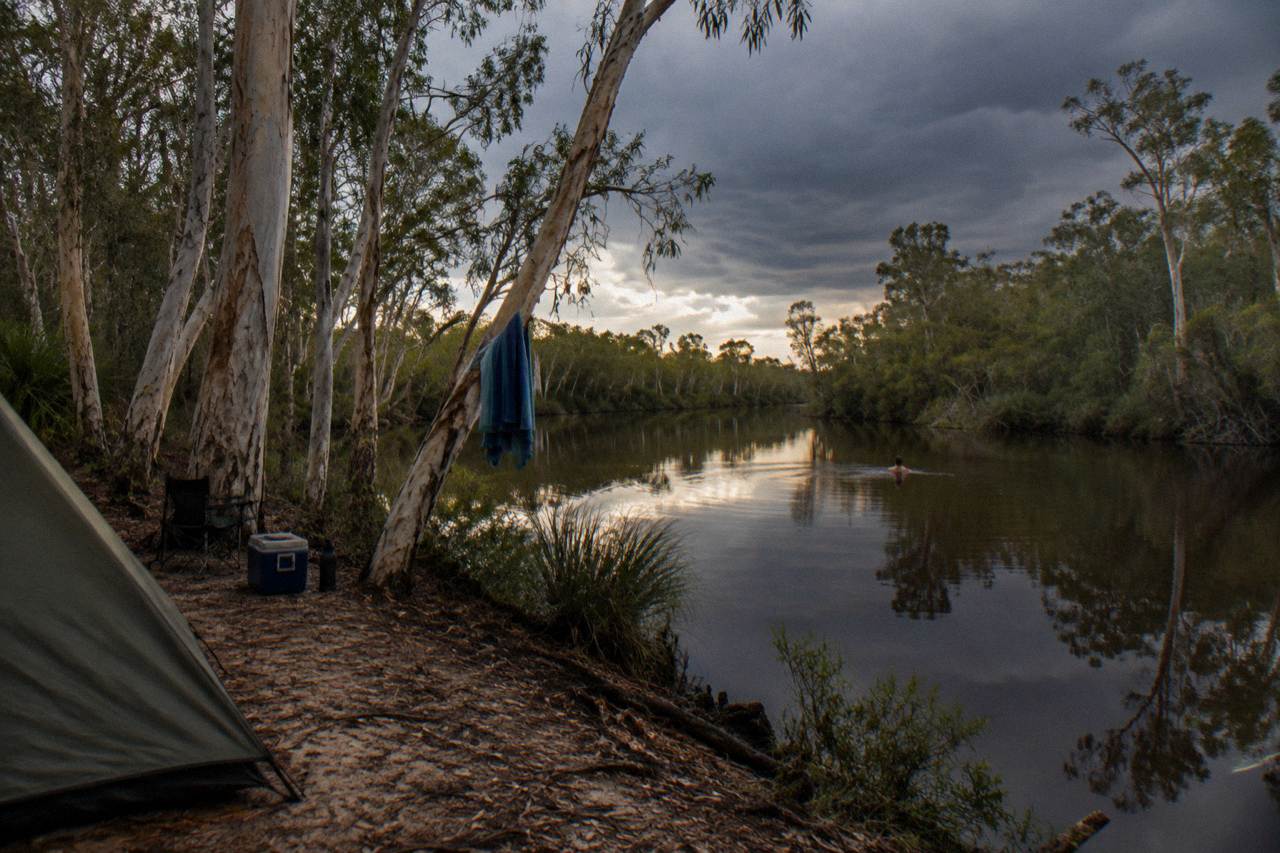
Yes, swimming in the upper Noosa River is not prohibited, and visitors do swim from spots like Boreen Point and Fig Tree Point, but there are no lifeguard patrols anywhere on the upper river or its lakes, and Noosa Council's advice is about conditions to avoid rather than places that are recommended. The tours themselves do not promise swim stops, so a swim is a personal decision, not a scheduled part of any listed day out. For a closer look at one of the most popular entry points, our guide to swimming safety at Boreen Point covers what the council and other official sources actually say.
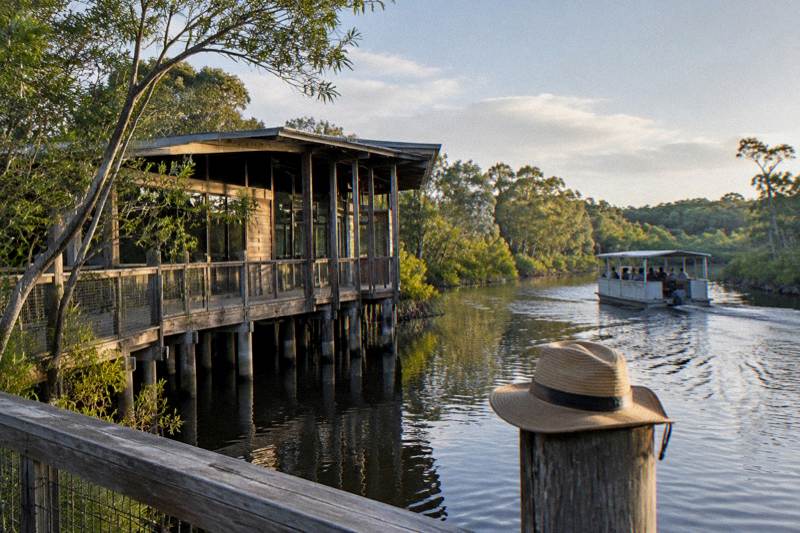
That is the honest shape of the answer. Nothing in the Queensland Parks and Wildlife Service material for the Cooloola Recreation Area tells you the water is a swimming pool, and nothing tells you it is off limits either. The park pages describe the upper Noosa River as a paddling and boating waterway: a 27.7 km journey by canoe or boat, with tannin-stained water reflecting the paperbarks along the banks. Swimming sits in the gap between those two positions, and the practical guidance comes from Noosa Council's recreational water quality monitoring rather than from any tour operator.
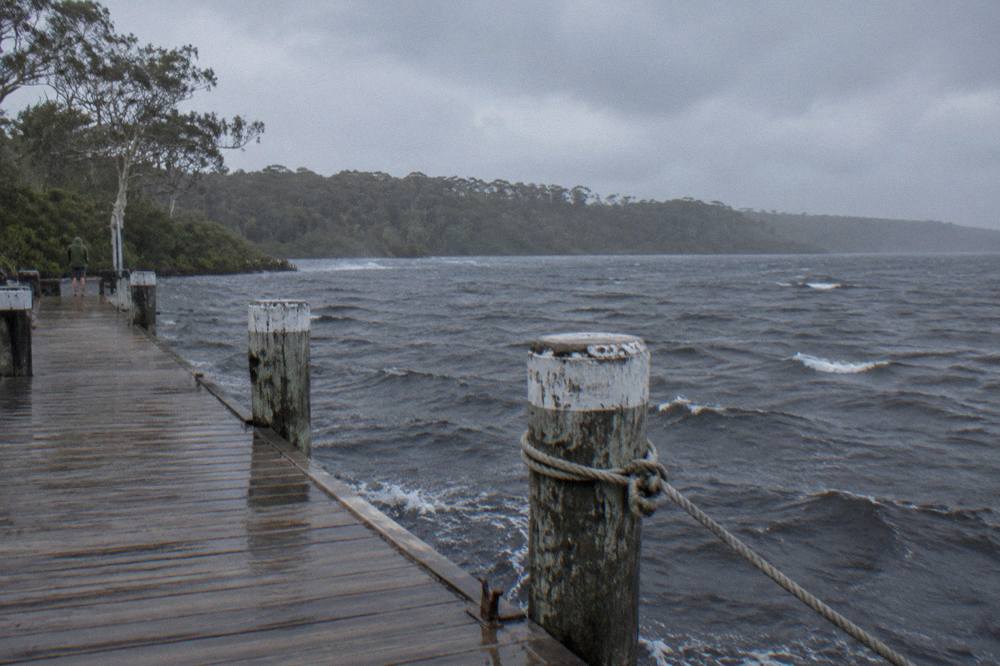
What the council does monitor is worth knowing before you pack a towel. Noosa Shire Council runs a recreational water quality program that covers Boreen Point Campground and Elanda Point Campground, both listed as estuarine sites, along with Lake Cooroibah. That is the layer of official oversight that exists for the water you would actually swim in on an Everglades trip. The advice attached to that monitoring is plain: avoid swimming near drains, in discoloured, murky or unpleasant-smelling water, or shortly after heavy rain. You can read the guidance directly on the council's recreational water quality page.
The other half of the picture is what the tours offer. We compared the listings on this site's roster, and none of the cruise, canoe or kayak products promise a swimming stop. A guest review of one river trip reports swimming during the day, so it happens in practice when conditions and the itinerary allow, but it is not a marketed feature and it is not something you should book expecting. If your day on the water is about the reflections and the birdlife rather than a dip, the cruise and paddle options below cover the range.
What Does The Official Water Quality Advice Say?
Noosa Council monitors Boreen Point Campground and Elanda Point Campground as estuarine swimming and recreation sites, and its standing advice is to avoid swimming near drains, in discoloured, murky or unpleasant-smelling water, or shortly after heavy rain. That advice covers exactly the launch points most Everglades trips use, which makes it the single most useful official sentence on the subject. If you're more interested in spotting wildlife than swimming, the guide to where kangaroos and koalas actually show up around Noosa pulls together habitat maps and real guest sightings from Elanda Point.
The monitoring matters because these are not ocean beaches with daily patrols and flags. They are river and lake sites on a system that drains a large catchment, two-thirds of which sits inside the national park. After rain, that catchment delivers tannin, sediment and whatever the runoff carries into the lakes and the river. The council's phrasing is deliberately conditional: it does not say the water is unsafe, it says there are moments when you should stay out of it. Discoloured water is normal on this river to a degree, since the tannin staining is the whole reason the water looks like tea, so the practical read is to use judgement: tea-coloured but clear water is the river's normal state, while murky, cloudy or smelly water after a storm is the condition the council warns about.
| Council advice point | What it means for an Everglades trip |
|---|---|
| Avoid swimming near drains | Applies to developed shorelines around the campgrounds and boat ramps |
| Avoid discoloured, murky or unpleasant-smelling water | Distinguish normal tannin stain from post-rain cloudiness |
| Avoid swimming shortly after heavy rain | Check recent rainfall before planning a swim |
| Sites monitored: Boreen Point and Elanda Point campgrounds, Lake Cooroibah | The launch areas for most tours are covered by the program |
The seasonal angle is worth a sentence too. The Bureau of Meteorology's averages for the nearest station at Tewantin show October and November as relatively modest rainfall months on average, while February and March are the wettest months in the table, averaging 233.7 and 236.4 mm respectively. Averages are not forecasts, and the mean is pulled up by wet years, but the pattern is real: the shoulder season tends to offer more of the calm, settled conditions that suit both paddling and a considered swim, while late summer is when the "shortly after heavy rain" caution bites most often.
If a swim is a nice-to-have rather than the point of your day, the afternoon cruise is the relaxed way to see the same water. The 2.5-Hour Afternoon Cruise departs Boreen Point, includes a glass of sparkling wine, beer or juice, and runs from $69 per person with free cancellation up to 24 hours.
Are There Lifeguards Or Patrolled Swimming Areas On The Upper River?
No. Noosa Shire Council lists its patrolled beaches as Noosa Main Beach, Sunshine Beach, Peregian Beach and seasonal Sunrise and North Peregian, all ocean beaches, and it makes no mention of patrols or lifeguards at Boreen Point or anywhere on the upper river and lake system. Any swim in the Everglades is unsupervised by definition.
That is not a scandal, it is just the nature of the place. The upper Noosa River is a remote, shallow, tannin-stained waterway inside a national park recreation area, kilometres from the nearest surf club. The council's beach safety page is explicit about where its lifeguard service sits, and that list is entirely coastal. You can check the council's beach safety page yourself. What follows from that is straightforward: if you swim on the upper river, you are responsible for your own judgement of conditions, your own swimming ability, and the people you are with. There is no flag to swim between and no patrol to wave down. For a closer look at the main launch area, the Boreen Point guide covers the facilities, the boat ramp and the campground.
The unsupervised character of the water also shapes what a sensible swim looks like. The water is generally calm, the current in the lakes is minimal, and the banks are soft rather than rocky, but the water is dark enough that you cannot see the bottom. Entering slowly, from a jetty or a shallow bank, staying close to shore, and skipping the swim entirely after rain covers most of the risk the council's advice points at. The deeper question many visitors bring to this topic, sharks and crocodiles, gets its own section below, because the honest answer there is about the absence of official statements rather than their presence.
What About Sharks And Crocodiles In The Everglades?
On crocodiles, no official Queensland Government, QPWS or Noosa Council statement was found confirming crocodiles or their range in the Noosa River, the upper river, Lake Cootharaba or the Cooloola Recreation Area, on the Parks and Wildlife pages for Cooloola or on Noosa Council's rivers and creeks pages. On sharks, no current official statement specifically addressing bull sharks in the upper river was found either. The honest position is that no official source says either way. For a closer look at the official record and the animals you are realistically likely to encounter, see our detailed guide to crocodile reports in the Noosa Everglades.
That wording is chosen carefully, and it matters. Plenty of travel content declares the Everglades crocodile-free or shark-free with total confidence. The official record does not support that confidence, because the official record says nothing at all. The pages checked include the QPWS Cooloola visiting safely and FAQ material, the upper Noosa River waterway page, and Noosa Council's rivers and creeks pages. Historical records note sharks, including tiger sharks, in the lower Noosa River estuary around the river mouth, but that is a different, saltier part of the system, and no current council, fisheries or surf lifesaving statement addresses the upper river specifically. We go through the crocodile question in full detail in are there crocs in the Noosa Everglades, which walks through every official page checked.
The practical reading is that the absence of an official warning is not the same as an official all-clear, and the absence of an official all-clear is not a warning. What you are left with is the same judgement framework as any unsupervised natural water: swim in calm, clear conditions, avoid the water after heavy rain per the council's advice, and make your own call about a dark-water swim. If that framing makes you uneasy, the water is still the main attraction from the deck of a boat. The Serenity Cruise, run by Everglades Eco Safaris, takes up to 36 passengers on about two and a half hours of the river with sparkling wine and beer included, from $70.10 per person, and it keeps you dry the whole way.
Do The Everglades Tours Include A Swim Stop?
No listing on this site's roster promises a swimming stop, whether cruise, canoe or kayak. A guest review of one river trip does report swimming during the day, so swims happen in practice when a tour's schedule and the conditions line up, but it is not a marketed inclusion and no operator's listing commits to one.
It is worth separating what a tour sells from what a tour permits. The cruise products sell the reflections, the birdlife and the tannin water from on board. The paddle products sell the journey itself. The 6-Hour Canoe Trip, BBQ Lunch Extra listing, for example, from $119.67 per person, is built around the cruise up the river and time in a canoe, with lunch and drinks available to buy on site, and its listing says nothing about a swim. The same goes for the kayak days: the full-day guided tour from $148 per person includes lunch, fresh fruit, baked bread and drinks, and its selling points are the guide, the group of up to 16 and the paddling, not a dip.
The reason is partly logistics and partly the waterway's rules. Queensland Parks and Wildlife Service conditions for the river include a six-knot, no-wash speed limit upstream from the Kinaba Information Centre, a no-landing zone between Fig Tree Point and Harrys Hut, and motorised vessels permitted only up to Campsite 3. Tour itineraries are built around those constraints, and a scheduled swim stop would need a jetty, a landing and a supervised window that most schedules simply do not allocate. When swimmers do get wet, it tends to be at a recognised stop like a campground jetty or a shallow bank near a departure point, on their own initiative.
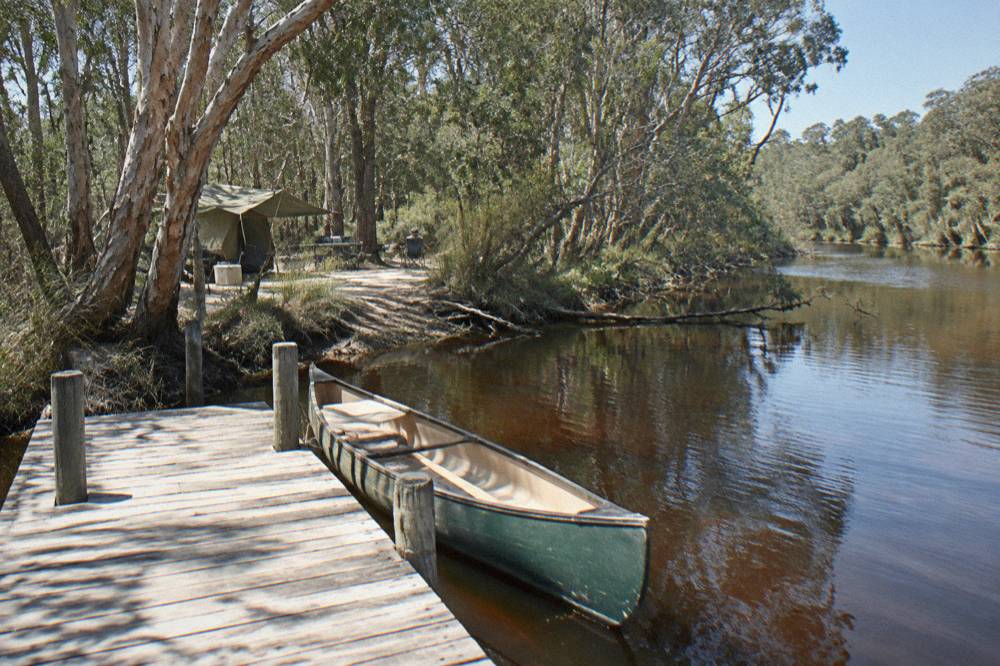
If you want the water without depending on a swim, the self-guided kayak option is the closest thing to it. The 6-Hour Self-Guided Kayak Tour from $85.68 per person puts you on the water at Elanda Point from 8:30am with a group of up to 20, rating 4.8 from 133 reviews, and you decide where and when to pause, within the park's rules. Just note the listing states no free cancellation, so check the booking page before committing.
What Is The Water Actually Like?
The upper Noosa River is fresh, tannin-stained water that darkens to a tea colour from the paperbark and bloodwood catchment, and it runs through a 2.5 km stretch called The Narrows where the reflections the area is famous for are at their strongest. Near the northern end of Lake Cootharaba the water transitions from fresh to brackish and salty, which is where the swimming question changes character.
The tannin is the defining feature and it is entirely natural. Queensland Parks and Wildlife Service describes the dark, tannin-stained waters offering spectacular reflections of the twisted paperbarks and bloodwoods that line the riverbanks, and the waterway page notes the river winds through The Narrows, where tannin-stained waters reflect forest and sky, before widening at the Harrys camping and day-use areas. The famous "River of Mirrors" name, which operators and listings use freely, comes from exactly this optical effect: still, dark water acting as a mirror for the overhanging forest. The QPWS upper Noosa River waterway page is the primary source for all of it, and the River of Mirrors explainer unpacks the name and the optics in full.
For a swimmer, the tannin has two practical effects. First, you cannot see the bottom, which is more a mental hurdle than a physical one in the calm, shallow margins, but it does mean you enter on trust. Second, the dark water holds warmth, and summer surface temperatures feel warmer than the ocean beaches nearby. The transition to brackish and saltier water toward the north of the system is the part worth remembering: the closer you get to the estuary end, the more the water resembles the lower river, where historical shark records sit, and the more the upper-river picture in this article stops applying. Swimming at Fig Tree Point or Boreen Point is a different proposition from swimming near the river mouth, and conflating the two is how most of the confusing advice online goes wrong.
Where Can You Swim Safely Near The Everglades?
The supervised options are the ocean beaches: Noosa Main Beach, Sunshine Beach and Peregian Beach, all patrolled and all within a reasonable drive of the Everglades launch points, while the unsupervised options are the river and lake sites covered by the council's water quality advice. The realistic plan is to do the Everglades day on the water, then swim at a patrolled beach either side of it.
This is the framing we would actually recommend to a visitor. A day trip into the upper river, by cruise, canoe or kayak, and a swim at a patrolled beach on another day or the same afternoon, gives you both experiences without asking one stretch of dark river to be something it is not. Noosa Main Beach sits at the heart of the town, patrolled year round, and the Coastal Walk in Noosa National Park, 10.8 km return and free to enter, strings several coves together if you want scenery with your swim. The QPWS coastal walk page has the route details.
| Swimming option near the Everglades | Supervised | Water type | Best for |
|---|---|---|---|
| Boreen Point and Elanda Point lake margins | No | Fresh, tannin-stained | A considered, calm-condition dip |
| Fig Tree Point and upper river campsites | No | Fresh, tannin-stained | Swims on multi-day paddles, at your own judgement |
| Noosa Main Beach | Yes | Ocean surf | Families and anyone wanting patrols |
| Sunshine Beach and Peregian Beach | Yes | Ocean surf | Quieter patrolled alternatives |
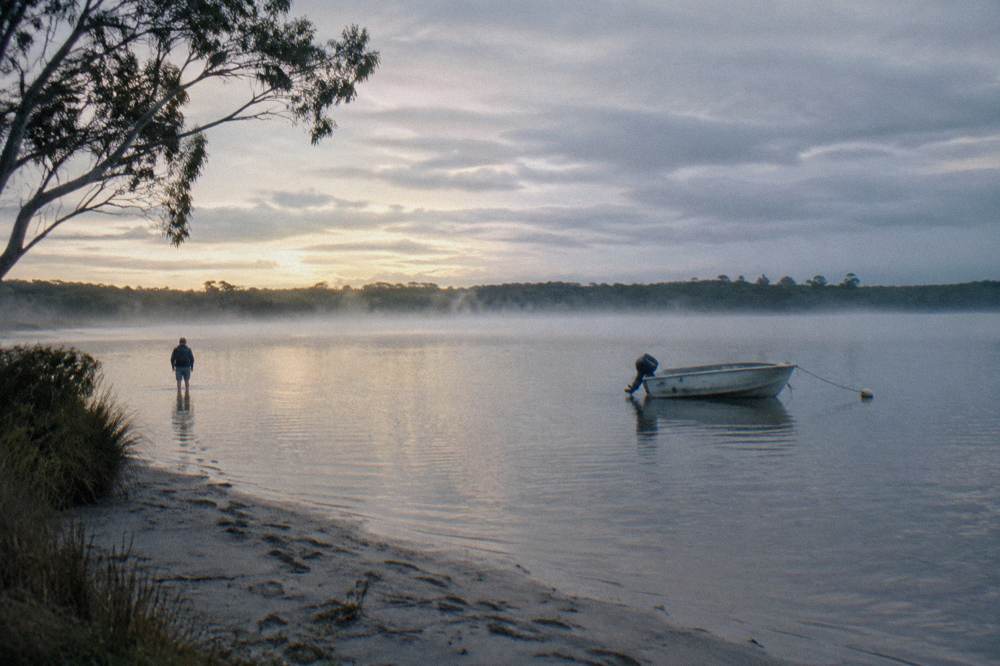
For the river day itself, the choice on this site's roster comes down to how much of the water you want to be part of. The comparison on the homepage of Noosa Everglades Tours lays the cruise, canoe and kayak families side by side, and the trio below covers the spread: the afternoon cruise for the relaxed view, the canoe and BBQ day for a taste of paddling, and the self-guided kayak for the full immersion.
Common Questions About Swimming In The Noosa Everglades
Can You Swim In The Noosa Everglades?
Swimming is not prohibited, but it is unsupervised and not promoted by any tour listing. Noosa Council's water quality advice for the Boreen Point and Elanda Point campground sites is to avoid swimming near drains, in discoloured, murky or unpleasant-smelling water, or shortly after heavy rain.
Are there lifeguards at Boreen Point?
No. Noosa Council lists its patrolled beaches as Noosa Main Beach, Sunshine Beach, Peregian Beach and seasonal Sunrise and North Peregian, all ocean beaches. There is no mention of patrols or lifeguards at Boreen Point or any upper river site.
Are there crocodiles in the Noosa Everglades?
No official Queensland Government, QPWS or Noosa Council statement confirming crocodiles or their range in the Noosa River, Lake Cootharaba or the Cooloola Recreation Area was found on the Parks and Wildlife pages for Cooloola or on Noosa Council's rivers and creeks pages. No official statement was found saying they are absent either.
Are there sharks in the upper Noosa River?
No current official council, fisheries or surf lifesaving statement specifically addressing bull sharks in the upper Noosa River, Lake Cootharaba or Boreen Point was found. Historical records note sharks in the lower river estuary, which is a different, saltier part of the system.
Do any Everglades tours include a swim stop?
No. None of the cruise, canoe or kayak listings promise a swim stop. A guest review of one river trip reports swimming during the day, so it happens in practice when conditions and the schedule allow, but it is not a marketed inclusion.
Why is the water so dark in the Everglades?
The upper Noosa River is stained dark by tannins from the paperbark and bloodwood forest of its catchment, two-thirds of which is protected inside the national park. The dark, still water is what produces the famous mirror reflections along The Narrows.