What Is Noosa Famous For?
Noosa is famous as a World Surfing Reserve with coastal walks in Noosa National Park, the tannin-stained upper Noosa River, and the Hastings Street precinct. Here is what each one delivers and how to plan around them.
What Is Noosa Famous For?
Noosa is famous for four things together: its status as a World Surfing Reserve, the Coastal Walk through Noosa National Park, the tannin-stained upper Noosa River that operators call the Noosa Everglades, and the Hastings Street precinct of restaurants and boutiques. Official tourism bodies promote all four, and each one shapes how most visitors spend their days. Of those four, the everglades day trip divides opinion the most, so before you book anything, read our honest verdict on whether the Noosa Everglades tour is worth the money.
That is the official positioning. Visit Noosa, the region's tourism body, presents the destination as a World Surfing Reserve with Noosa National Park coastal walks, the Noosa River Everglades, the Hastings Street precinct and UNESCO Biosphere elements woven through the region (see Two Everglades). It is a compact pitch, and unusually for a coastal town, most of it is true in the plain sense: the surf breaks are genuinely protected, the national park genuinely sits at the end of the main street, and the river genuinely runs mirror-flat through paperbark forest half an hour north of the cafes.
What the positioning does not tell you is how the pieces fit together geographically. Noosa Heads is small. The Noosa National Park Coastal Walk runs 10.8 km return, is rated Grade 4, and takes about four hours, per the Queensland Parks and Wildlife Service, and its trailhead is a short walk from Hastings Street. The upper Noosa River section, the part the tours sell, sits inside the Cooloola Recreation Area of Great Sandy National Park, roughly 30 to 40 minutes' drive north of Noosa Heads via Tewantin. One town, two national park experiences, a beach in between.
This article works through the four famous things in order, then looks at how people actually combine them, what the climate does to each, and where the river trips fit if you only have a couple of days. If the river is what drew you here, the listings below are the three most common starting points: the afternoon cruise, the full-day guided kayak trip, and the longer Explorer cruise.
Why Is The Upper Noosa River One Of Noosa's Signatures?
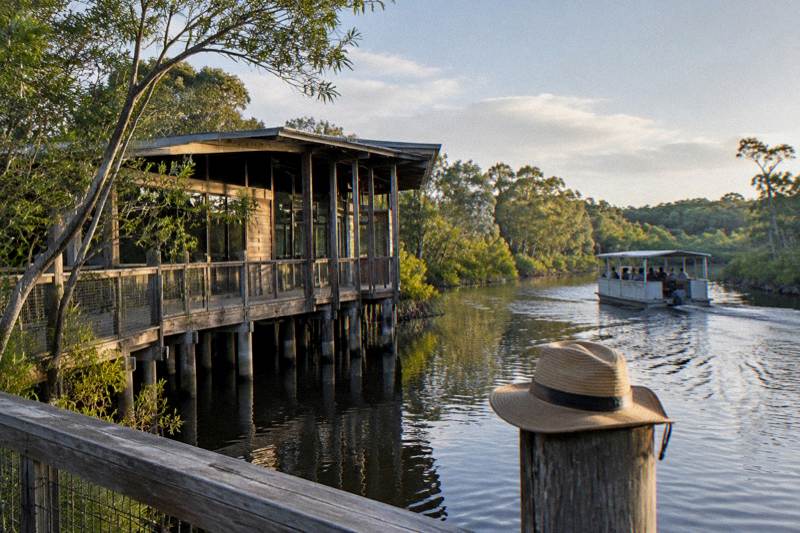
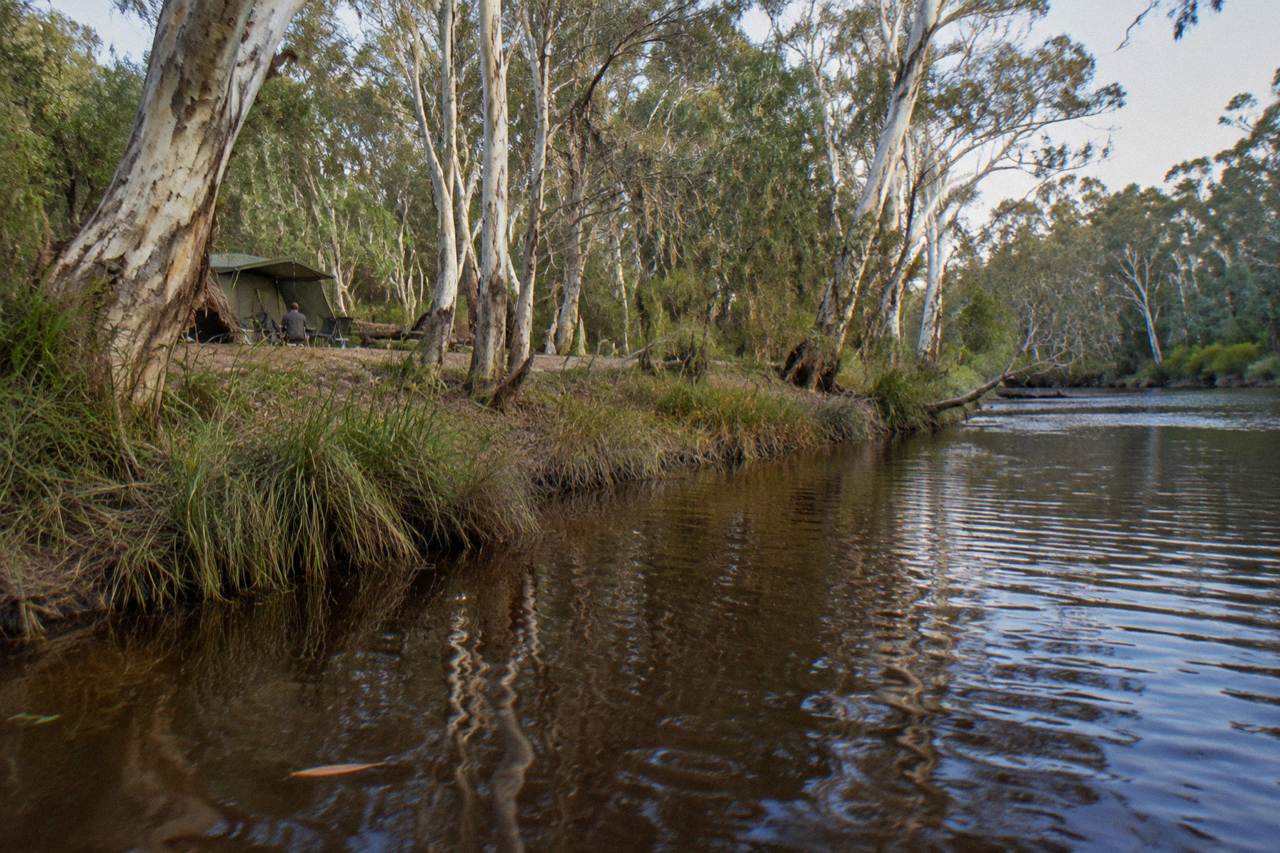
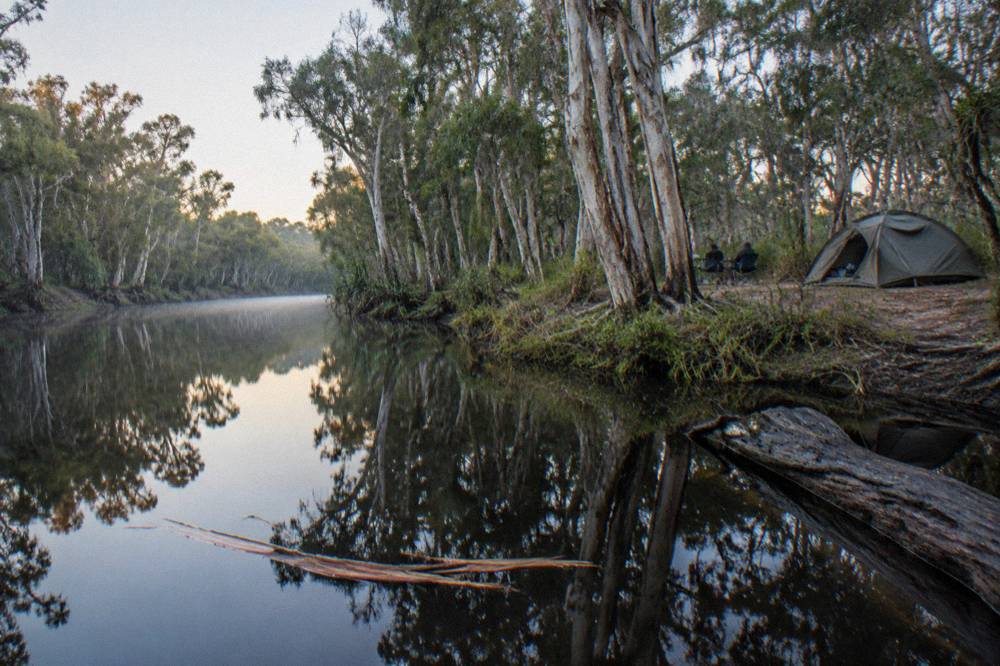
The upper Noosa River is famous for water so dark with tannin that it mirrors the paperbark forests lining its banks, a 2.5 km stretch called The Narrows where the reflections are at their strongest. Queensland Parks and Wildlife Service describes the dark tannin-stained waters and the twisted paperbarks and bloodwoods they reflect; operators add the marketing name, the Noosa Everglades. To see exactly where those mirror reflections sit and which cruises and paddles reach them, read what the Noosa Everglades River of Mirrors actually is.
The naming split matters if you like your facts straight. The parks service calls this stretch the Upper Noosa River in the Cooloola Recreation Area, and uses "The Narrows" for the 2.5 km section where the river narrows and the reflections concentrate. The phrases "Noosa Everglades" and "River of Mirrors" come from tour operators and listings, and the claim that it is "one of only two Everglades in the world" is operator copy too. None of that makes the water less remarkable. Two-thirds of the Noosa River catchment is protected inside the national park, which is why the river runs quiet, dark and undeveloped for its whole upper length.
The parks service's own waterway page gives the journey as 27.7 km one way, with about 5 hours of paddling time suggested for the full distance, and notes that it is not possible to proceed upstream beyond Upper Noosa River campsite 15. Tour boats operate daily from Noosa and Tewantin, and canoes, kayaks and small boats can be hired from private operators at Boreen Point and Elanda Point. That is the whole access picture in two sentences: you either take a boat, or you paddle.
The reflections are best early and late in the day, when the breeze drops and the water goes glassy. The parks service also advises planning to cross Lake Cootharaba early in the morning, when conditions are likely to be calm and travel is easiest. Most commercial trips are built around that window for exactly this reason.
Which River Trip Suits A First Visit?
For a first taste, the afternoon cruise is the entry point most people choose. The 2.5-Hour Afternoon Cruise through the Noosa Everglades departs Boreen Point, includes a glass of sparkling wine, beer or juice, rates 4.5 from 1,093 reviews, and starts from $69 per person, with free cancellation up to 24 hours. That listing includes a coach transfer from selected Noosa stops, with your pickup time confirmed by the provider after booking. The Serenity Cruise to Australia's Everglades, the afternoon tea option run by Everglades Eco Safaris, covers similar water from $70.10 per person, rates 4.5 from 472 reviews, and the operator asks 48 hours notice for cancellation.
If you would rather be on the water under your own arm, the guided and self-guided kayak days are the alternative. The full-day guided kayak tour with Kanu Kapers Australia rates 4.9 from 158 reviews, starts from $148 per person, runs about 6 hours from 8:30am, meets at Elanda Point Canoe Launch, and includes lunch, fresh fruit, baked bread and drinks for groups up to 16. The listing states no free cancellation, so check the booking page before committing. The self-guided version from the same operator starts from $85.68 per person, rates 4.8 from 133 reviews, and lists no meal.
What Makes Noosa National Park And The Coastal Walk Famous?
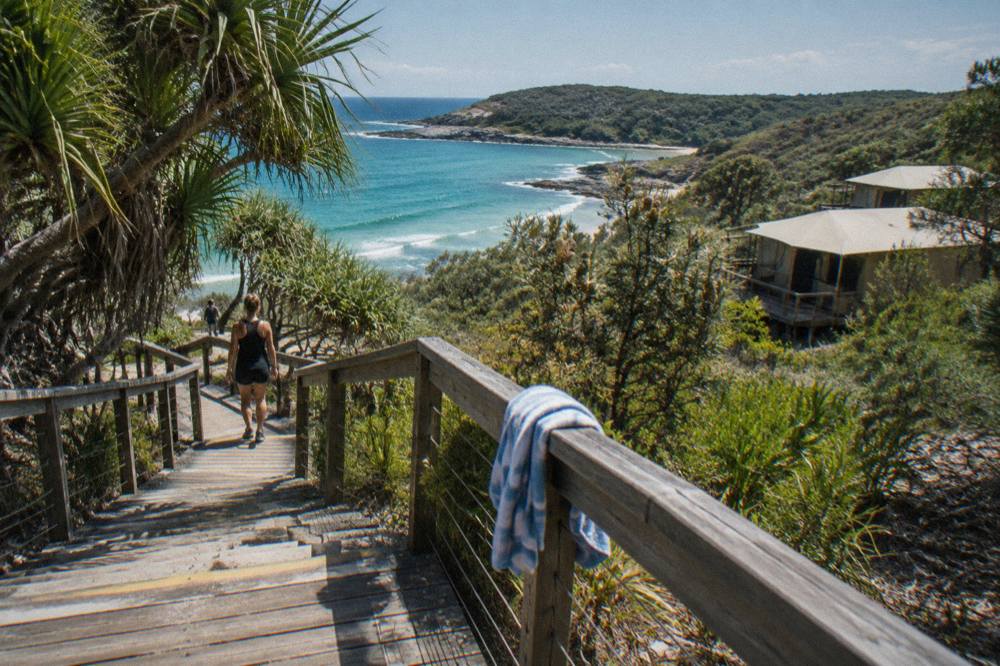
Noosa National Park is famous for a Coastal Walk that covers 10.8 km return, is graded Grade 4, takes around four hours, and costs nothing to enter: no general admission fee and no booking for day use. It wraps the headland from Hastings Street past Fairy Pools, Granite Bay and Dolphin Point, passing koala habitat in open woodland and heath.
The park's fame rests on proximity. Very few Australian towns have a national park you can walk into from the main shopping street. The parks service notes that Noosa National Park is home to koalas among other threatened species, and its open woodlands and heath provide the habitat, which is why visitors scan the trees around the Palm Grove section. Sightings are never promised, but the habitat is real and officially documented.
Entry is free, which surprises visitors who have paid handsomely for coastal walks elsewhere. The Grade 4 rating means the track has some rough surfaces and steep sections; sturdy shoes and water matter more than fitness, though the first stretch to the lookout is paved and manageable for almost everyone. The walk's halfway reward is the series of bays, and in winter the headland is a reasonable land-based whale watching point, a fact the town leans on heavily in its winter marketing.
A useful planning note: the walk and the river are different halves of the day. People who try the full 10.8 km and an afternoon cruise on the same day tend to regret the second half. The cruise departs Boreen Point in the early afternoon, and the drive from Noosa Heads through Tewantin takes long enough that a morning walk plus a rushed lunch is the realistic limit. More on timing below.
Is Hastings Street The Food And Shopping Heart Of Noosa?
Hastings Street is famous as Noosa's beachfront strip of restaurants, boutiques and hotels sitting directly on the sand at Noosa Main Beach, one of the few places on the Sunshine Coast where a swim, a long lunch and high-end shopping sit within a few minutes' walk of each other. It is the town's default image, the postcard view, and the most expensive three blocks in the shire.
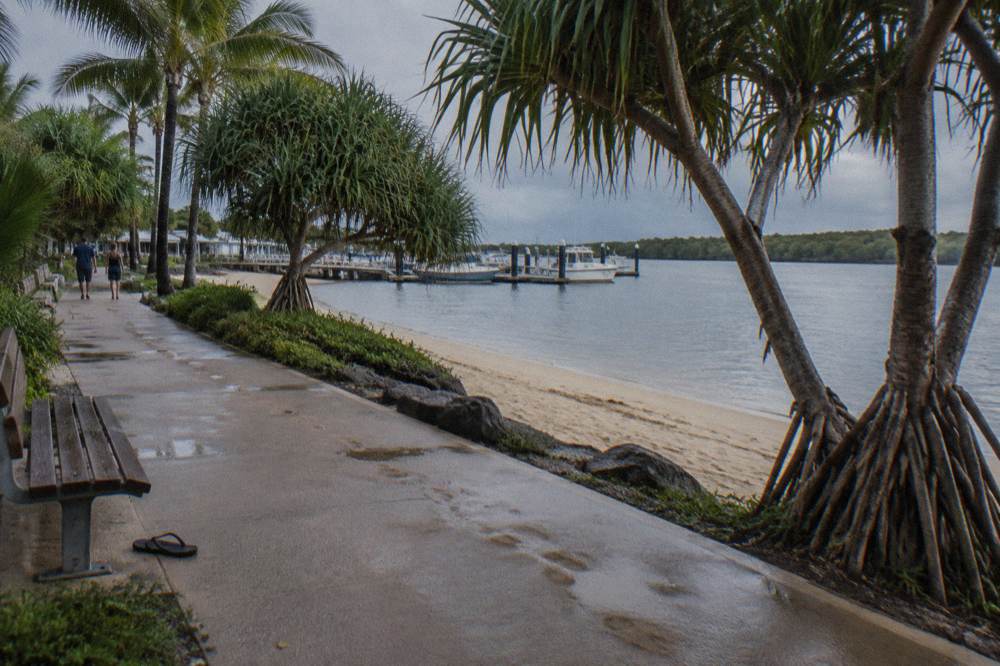
The street works because of geography rather than retail genius. Noosa Main Beach is a calm, north-facing beach, patrolled by lifeguards, and it holds that rare combination of gentle swimming water and a full resort streetscape behind it. Noosa Shire Council lists Noosa Main Beach among its patrolled beaches, alongside Sunshine Beach and Peregian Beach. That patrol list matters more than it sounds: Boreen Point and the upper river and lake swimming spots have no patrols or lifeguards at all, so the beach and the river are different safety propositions. The rest of the planning pages sit on Noosa Everglades Tours.
Hastings Street is also the town's crowd barometer. The Noosa Triathlon is scheduled for Sunday 1 November 2026, with festival events from late October, starting at Noosa Main Beach. Anyone visiting in that window should expect road closures, pressure on parking and high accommodation demand around the event village and beach areas. The same applies in a milder form across the Queensland spring school holidays, which ran 19 September to 5 October 2026 and bookend the busiest stretch of the year.
For food specifically, the street and its laneways run from casual fish and chips to hatted restaurants, and Noosa's broader reputation as a food destination is built on that core plus the hinterland villages of Pomona, Cooroy and Eumundi, the last of which hosts the famous Eumundi Markets on Wednesdays and Saturdays. None of that needs a booking platform or a tour. It needs a car or a bus and an appetite.
What Is The Weather Like Across The Year?
Noosa's weather is famous for being mild, with average maximums ranging from 21.4°C in July to 28.7°C in January, and mean minimums between 11.3°C and 22.0°C, according to Bureau of Meteorology 30-year averages for the Tewantin station on the Noosa River. September is the driest month on average at 57.8 mm, and March the wettest at 236.4 mm.
Those figures come from the Tewantin RSL Park station, number 040908, with 30 years of record, which is the nearest long-run station to Noosa Heads; the Bureau has no normals station at Noosa Heads or Noosaville itself. One caution the raw table suggests: median rainfall is lower than the mean in every month, because the averages are pulled up by occasional wet years. Treat the numbers as averages, not as what typically happens.
| Month | Mean max °C | Mean min °C | Mean rain mm | Rain days (1 mm+) |
|---|---|---|---|---|
| Jan | 28.7 | 22.0 | 149.8 | 10.7 |
| Feb | 28.6 | 22.0 | 233.7 | 12.8 |
| Mar | 27.7 | 21.0 | 236.4 | 14.2 |
| Apr | 26.0 | 18.2 | 151.6 | 11.7 |
| May | 23.7 | 14.9 | 162.1 | 10.5 |
| Jun | 21.7 | 12.5 | 112.7 | 8.7 |
| Jul | 21.4 | 11.3 | 71.7 | 7.1 |
| Aug | 22.5 | 11.8 | 76.9 | 5.5 |
| Sep | 24.4 | 14.6 | 57.8 | 5.8 |
| Oct | 25.8 | 17.1 | 112.1 | 8.0 |
| Nov | 26.9 | 18.9 | 99.0 | 7.9 |
| Dec | 28.2 | 20.8 | 147.4 | 9.8 |
For tour planning, the pattern that matters is the summer storm cycle versus the dry, settled spring. Spring, from August to October, combines the lowest average rainfall with comfortable maximums in the mid-20s, which is why it is peak season for the river trips and the walk alike. Summer is warmer and wetter, and the river's reflections depend on calm water, so an early start matters more then. The Bureau's long-range outlooks are the right place to check the weeks ahead of a specific trip; the monthly averages only describe the long run.
How Do You Fit The Everglades Into A Noosa Trip?
Most visitors fit the Everglades into a Noosa trip as a half-day or full-day excursion from Noosa Heads, driving about 30 to 40 minutes north through Tewantin to Boreen Point or Elanda Point, both accessible by ordinary 2WD vehicles. Official itineraries from the regional tourism body commonly feature 3, 5, 6 and 7-day stays, indicating multi-day visits are the norm for a full experience.
The realistic minimum is two full days in town: one for the beach, Hastings Street and the Coastal Walk, and one for the river. With three days you can add a hinterland loop or a North Shore beach drive, and with five you can do all of it slowly. The river day is the one that benefits most from booking ahead, because the boats have fixed capacity and the kayak groups cap at 16 to 20 depending on the listing.
Getting there is the part first-time visitors underestimate. From Tewantin, the route runs 19 km west and north via McKinnon Drive and Louis Bazzo Drive to Boreen Point, then left onto Lake Flat Road for the Elanda Point access, per the parks service directions. One current complication: Doonella Bridge in Tewantin operates one-way eastbound only, from Tewantin to Noosaville, until early December 2026, with westbound traffic detoured via Eumundi-Noosa Road and Beckmans Road, which adds time for drivers routing through Tewantin from the south. Check a mapping service on the day.
| Famous for | Where it is | Time needed | Cost to experience |
|---|---|---|---|
| World Surfing Reserve status | Noosa Heads points and bays | A morning | Free to watch, lessons bookable |
| Coastal Walk, 10.8 km return, Grade 4 | Noosa National Park, walk from Hastings Street | About 4 hours | Free entry, no booking for day use |
| Upper Noosa River reflections | Cooloola Recreation Area, via Boreen or Elanda Point | Half to full day | Tours from $69, or hire a kayak |
| Hastings Street precinct | Noosa Heads beachfront | An afternoon and evening | Spend what you like |
For the river day itself, the choice is really between three formats. The short cruise, 2.5 hours from $69, is the low-commitment option and the one most families take. The Explorer cruise, 4.5 hours from $117, adds morning refreshments with lunch to buy at the on-site bar and bistro, and rates 4.6 from 279 reviews. The guided kayak day, from $148 with lunch included, is the one for people who want to be on the water rather than above it, and its 4.9 rating from 158 reviews is the strongest on the roster, though from a smaller pool than the cruise's 1,093.
If you are weighing the formats against each other in detail, the site's how to choose a river trip guide breaks the decision down by budget, fitness and time, and the side-by-side comparison on the homepage of Noosa Everglades Tours puts every listing's price, duration and cancellation terms in one table.
What Else Is Noosa Known For Beyond The Big Four?
Beyond surfing, the national park, the river and Hastings Street, Noosa is known for its UNESCO Biosphere status, the Noosa North Shore ferry crossing, the Eumundi Markets in the hinterland, and a food scene that stretches from the beachfront to Pomona and Cooroy. The biosphere designation covers the whole shire and is the quiet fact behind the loud marketing.
The North Shore ferry is a local icon most visitors meet by accident. It runs 365 days a year from Tewantin to the North Shore, departing roughly every 10 minutes through the day, and it is the sole vehicle access route to the Cooloola beach areas north of Noosa. The standard vehicle fare under 4.5t is $18 one way and $36 return, with pedestrians and cyclists paying $2 return, per the operator's ticketing page. It is a two-minute crossing that functions as the town's front door to the sand tracks.
The hinterland is the other half of the shire's identity. The Great Noosa Trail Walk, a three-day hiking event, runs in early October, and the hinterland villages anchor the region's slow-food and markets reputation. The private hinterland day tour on this site's roster, a 7.5-hour trip from $527 per person with hotel pickup across the Sunshine Coast, Noosa and Hinterland, combines a 2.5 hour Serenity cruise with a gourmet lunch in Pomona, which is the whole shire in one day for travellers who do not want to drive it themselves.
Finally, the town is famous for being busy at precisely the moments you would expect. The triathlon in early November, the school holidays, and the Christmas to January peak all compress the same small streets. The river, by contrast, spreads its visitors along 27.7 km of waterway, which is one quiet reason the upper Noosa River day is the one people remember most fondly when they get home.
Common Questions About Noosa
What Is Noosa Famous For?
Noosa is famous as a World Surfing Reserve with the Coastal Walk through Noosa National Park, the tannin-stained upper Noosa River that operators market as the Noosa Everglades, and the Hastings Street precinct of restaurants and boutiques on Noosa Main Beach. The regional tourism body promotes all four together, and most itineraries are built around some combination of them.
Is Noosa worth visiting if you don't surf?
Yes. The surf reserve status protects the coastline, but the three other famous draws, the national park walk, the upper river and Hastings Street, need no board. The river trips in particular, from a 2.5-hour cruise to a full guided kayak day, are the most common non-surf activity booked from Noosa.
How many days do you need in Noosa?
Official itineraries from the regional tourism body commonly feature 3, 5, 6 and 7-day stays. Two full days is the practical minimum: one for the beach, Hastings Street and the Coastal Walk, and one for the river. Three days adds the hinterland or the North Shore without rushing.
Can you see the Everglades and Noosa National Park on the same day?
You can, but it is tight. The Coastal Walk takes about four hours for the 10.8 km return, and the river launch points are a 30 to 40 minute drive north of Noosa Heads. A short morning walk to the lookout plus an afternoon cruise is realistic; the full walk plus a cruise usually is not.
Is Noosa Main Beach patrolled?
Yes. Noosa Shire Council lists Noosa Main Beach among its patrolled beaches, alongside Sunshine Beach and Peregian Beach, with seasonal patrols at Sunrise and North Peregian. Boreen Point and the upper river and lake swimming spots have no patrols or lifeguards, so swim there with that in mind.