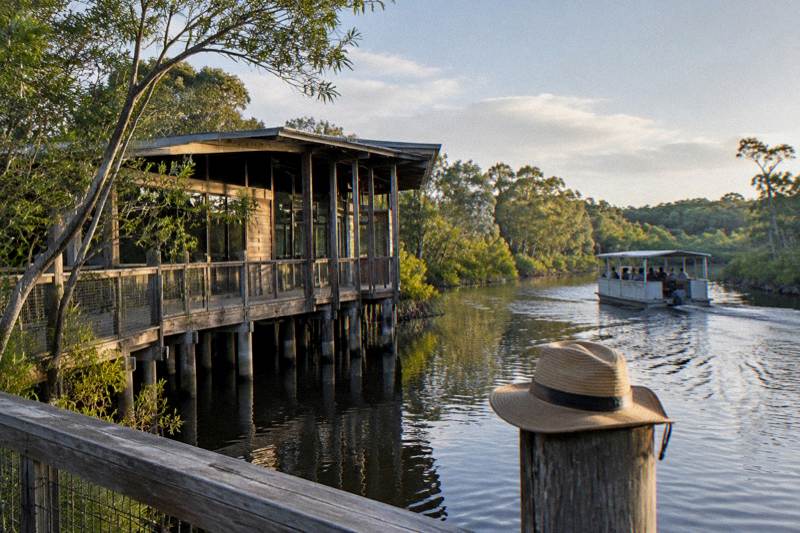
Which Month Is Best To Visit The Noosa Everglades?
A month by month look at the Noosa Everglades using official Tewantin climate averages, crowd events and park alerts, to help you pick the best time for a cruise or kayak day on the upper Noosa River.
Which Month Is Best To Visit The Noosa Everglades?
Every listing on this river runs year round, so the honest answer is that no single month owns the experience. What changes through the year is rainfall, heat, crowd pressure and the small print of park alerts. The Bureau of Meteorology's long term averages for Tewantin, the nearest station to the river, give a factual base for comparing months, and the Queensland Parks and Wildlife Service alert pages tell you which weeks carry a catch. If you're curious why the Noosa version gets called one of the only everglades on the planet, our guide to the world's only two everglades explains where that claim comes from and where the other one sits.
Which Month Is Best To Visit The Noosa Everglades?
The climate record favours the dry, cool middle of the year. June to August averages 21.4 to 22.5 degrees mean maximum and 71.7 to 112.7 mm of rain, with September the driest at 57.8 mm and July next at 71.7 mm. February and March are the wettest at 233.7 and 236.4 mm. No official body ranks the months; this is the averages talking.
That is the headline, and it needs one caveat before anything else. Averages are means over 30 years of record at the Tewantin station, not a promise for any given week. The mean is pulled up by wet years: the median rainfall sits below the mean in every month of the table, so a "typical" October is drier than the 112.1 mm average suggests. Treat the numbers as a shape, not a forecast.
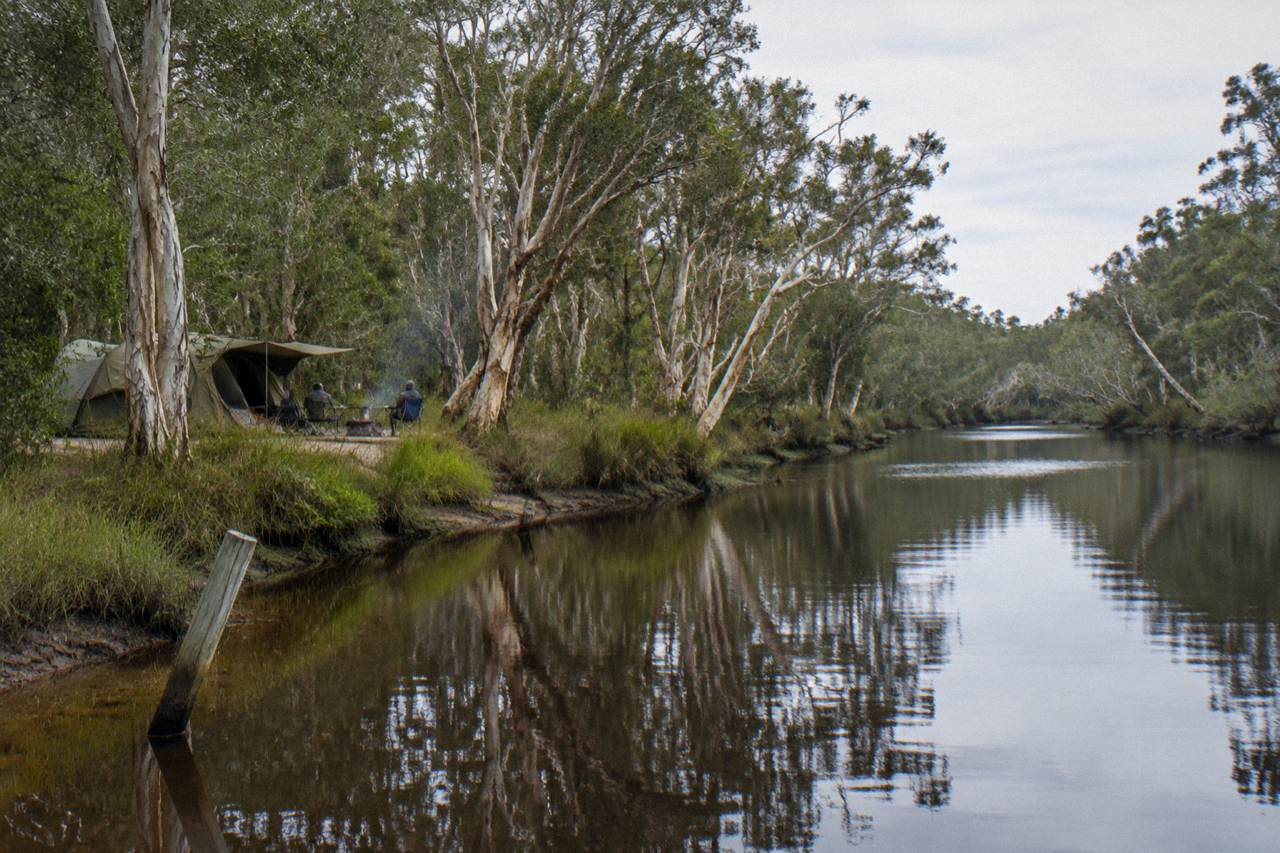
The second caveat is that the Everglades experience is not really weather dependent in the way a beach day is. The river is sheltered by paperbark and bloodwood forest, the tannin water looks the same in sunshine or under cloud, and the cruise boats and kayak operators run through the year per their own listings. A wet month mostly changes your drive to Boreen Point or Elanda Point, not the water itself. If you're still weighing whether the trip justifies the cost, our honest verdict on whether the Noosa Everglades is worth it covers what the river actually delivers and who should give it a miss.
If you want the shortest version: aim for the winter shoulder, avoid the February to March wet peak if you hate rain, and check the park alerts for your exact dates before you lock anything in. The rest of this article compares the months properly.
What The Climate Averages Say About Each Month
Tewantin, the nearest Bureau of Meteorology station with a 30 year record, shows a clear seasonal shape: mean maximums run from 21.4 degrees in July to 28.7 in January, and mean rainfall swings from 57.8 mm in September to 236.4 mm in March. Rain days peak in March at 14.2 and bottom out in August at 5.5. Every figure below is a long term average, not a forecast for your week. Whatever the averages say, getting to the Noosa North Shore side of the Everglades starts with a crossing, and the full Tewantin ferry schedule and current fares shows how the service fits around an Everglades day trip.
The table reads straight from the Bureau's Tewantin RSL Park normals, station number 040908, which has been open since 1995. There is no Noosa Heads or Noosaville normals station, so Tewantin, sitting on the Noosa River itself, is the closest official record to the Everglades. Rainfall figures matter for more than just the scenery, though, and if wet-season warmth has you worried about biting insects, the guide to mosquitoes, midges and sandflies on the upper Noosa River tells you what official sources actually say.
| Month | Mean max (C) | Mean min (C) | Mean rain (mm) | Rain days (1 mm+) |
|---|---|---|---|---|
| January | 28.7 | 22.0 | 149.8 | 10.7 |
| February | 28.6 | 22.0 | 233.7 | 12.8 |
| March | 27.7 | 21.0 | 236.4 | 14.2 |
| April | 26.0 | 18.2 | 151.6 | 11.7 |
| May | 23.7 | 14.9 | 162.1 | 10.5 |
| June | 21.7 | 12.5 | 112.7 | 8.7 |
| July | 21.4 | 11.3 | 71.7 | 7.1 |
| August | 22.5 | 11.8 | 76.9 | 5.5 |
| September | 24.4 | 14.6 | 57.8 | 5.8 |
| October | 25.8 | 17.1 | 112.1 | 8.0 |
| November | 26.9 | 18.9 | 99.0 | 7.9 |
| December | 28.2 | 20.8 | 147.4 | 9.8 |
Read the table with three things in mind. First, the cool dry block from June to September stands out on every column: lowest maximums, lowest rain days, lowest totals. Second, the February to March pair is the wet peak, with March the wettest month in the record at 236.4 mm. Third, the summer months are also the most humid, with mean minimums above 20 degrees from December through February, which matters more for a full day of paddling than for a two and a half hour cruise. How long you'll need on the water depends on which of those experiences you're after, and the guide to how much time the Noosa Everglades really takes compares every tour length side by side.
Spring is the interesting middle case. September is technically the driest month at 57.8 mm and warm at 24.4 degrees mean maximum, which on paper makes it the single best month of the year. October climbs to 112.1 mm and 25.8 degrees, still comfortable, still workable. The catch with spring is not the weather at all, it is the calendar of local events and park programs, which the next two sections unpack.
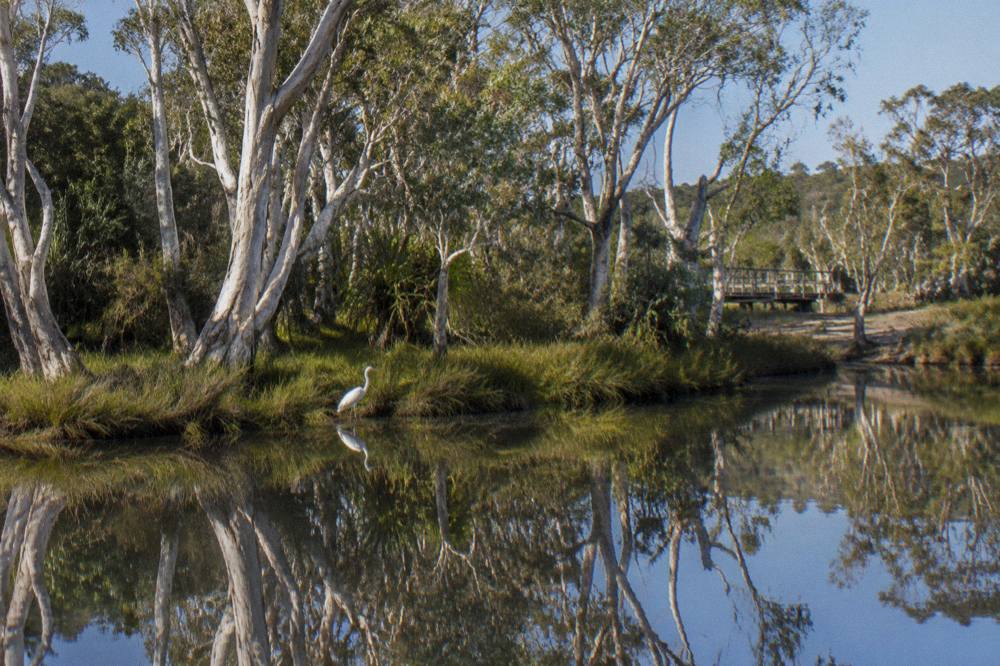
For the practical side of the seasons, the fuller month by month breakdown in our Noosa Everglades best time to visit guide covers what each season feels like on the water, and the Noosa weather by month guide works through the same Tewantin record in more detail.
Which Months Are The Quietest On The Water
Crowd pressure on the upper Noosa River tracks the Queensland school holidays and a handful of fixed events. The spring school holidays ran to early October, and the Noosa Triathlon lands on Sunday 1 November 2026 with festival activity from late October, squeezing accommodation and roads around Noosa. Mid winter, outside those windows, is the calmest combination of weather and thin crowds on the river itself.
The school holiday effect is real but short. Queensland's spring holidays ran from 19 September to 5 October 2026, so the first week of October carries family traffic on the launches at Boreen Point and Elanda Point, and then it drops away as Term 4 starts. The summer holiday block in late December and January is the longer, heavier version of the same pattern, and it coincides with the warmest, wettest end of the climate table.
The Noosa Triathlon deserves a specific mention because it does not just crowd the river, it reshapes the roads you use to reach it. The main race is Sunday 1 November 2026 at Noosa Main Beach, with festival events from late October. If your Everglades day sits on that weekend, book accommodation early, expect road closures around the event village, and give yourself extra time for the drive out to Boreen Point through Tewantin, which is also carrying the one-way Doonella Bridge arrangement until early December 2026.
Outside those windows, the river itself rarely feels crowded. The tour vessels are small: the Serenity cruise listing states a capacity of 36, and the kayak days run in groups of up to 16 or 20 depending on the listing. The six-knot speed limit upstream of the Kinaba Information Centre keeps motorised traffic slow and sparse, and the paddle-only stretch above campsite 3 is quieter still. Winter weekdays are the thinnest of all.
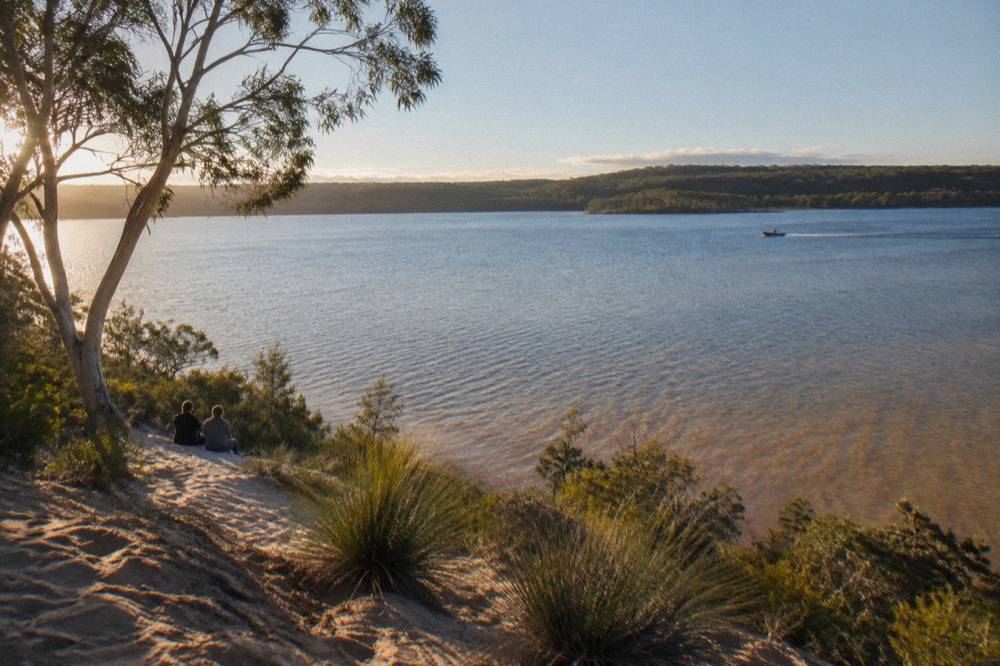
If you would rather set your own pace entirely, the self-guided Noosa Everglades kayak tour runs about 6 hours from the Elanda Point Canoe Launch, from $85.68 per person, rated 4.8 from 133 reviews, with no pickup, so you choose your own start within the operator's window. Check availability
What Park Alerts Change The Picture By Month
Two dated programs matter for late 2026 planning. The southern day-use jetty at Upper Noosa River campsite 3 is partially closed until 24 October 2026, with the northern camper's jetty open. A pest control program runs across the Cooloola Recreation Area from 31 October to 28 November 2026. Neither stops the river tours, but both belong in your date check.
The jetty closure is the smaller of the two. Campsite 3 sits on the upper river, and the southern day-use jetty was damaged by flooding; the northern jetty serving campers stays open, and visitors are asked to store unused watercraft in the designated bank area. For a day tour from Boreen Point or Elanda Point this is close to invisible, but if you are paddling upriver or camping, it changes where you land and moor.
The pest control program is the bigger calendar item. It runs 31 October to 28 November 2026 across the Cooloola Recreation Area, using firearms, poisons and traps, and it closes the eastern and western firebreaks including Pettigrews and Kings Bore Roads for the full period, with Teewah Beach and Freshwater campsites closed 2 to 4 November. The upper Noosa River waterway tours are not the focus of the program, but the alert is the reason to read the official pages rather than assume.
The habit worth building, whatever your month, is a two minute check of the Cooloola conditions report and park alerts before you travel. The conditions report was updated in late September 2026 and states that all Noosa River campsites, Harrys Hut and Fig Tree Point are open with no additional closures for the river area. Alerts can and do change between your booking and your departure, and the report also carries track and water detail, including a water-across-track alert on the Cooloola Wilderness Trail active to 8 November 2026.
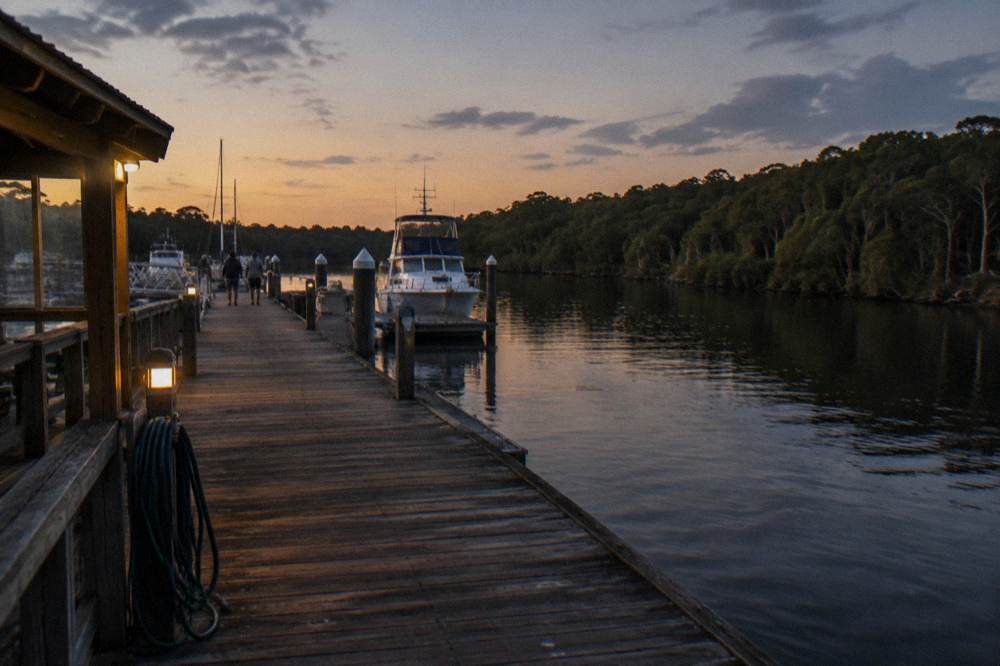
For anyone turning a day trip into an overnight, the Noosa Everglades camping guide covers the permits, fees and site by site rules in full, and the upper Noosa River campsites 1 to 15 guide maps the paddle distances between them.
Does The Tour You Choose Change The Best Month
Yes, somewhat. A short afternoon cruise is month proof: 2.5 hours on sheltered water works even in the February to March wet peak. A full day kayak is a different calculation, because six to seven hours of paddling in January heat and humidity, or on a rain day, is a bigger ask. Match the format to the season, not just the date.
Start with the cruise end of the spectrum. The featured afternoon cruise, 2.5 hours from Boreen Point with a glass of sparkling wine, beer or juice included, from $69 per person and rated 4.5 from 1,093 reviews, is the listing least sensitive to month. The boat does the work, the river is narrow and sheltered, and an afternoon slot dodges the morning wind that can ripple Lake Cootharaba. In the wet months you take a jacket and enjoy the reflections under cloud.
The kayak days reward the cooler half of the year more obviously. The full-day guided kayak tour, about 6 hours from 8:30am with lunch, fresh fruit, baked bread and drinks included, from $148 per person and rated 4.9 from 158 reviews, is a superb winter or spring day out. In summer it is still run and still popular, but the early 8:30am start matters more, and the midday heat sits heavily on open stretches of the river.
The cruise and canoe combination days sit between the two. The Explorer cruise listing runs 4.5 hours from 9am to 1.30pm with morning refreshments included and lunch to buy at the on-site bistro, from $117 per person, rated 4.6 from 279 reviews. Its sister canoe and BBQ listing runs about 6 hours and can arrange round-trip transfers from central Noosa, confirmed at booking, from $119.67 per person, rated 4.6 from 379 reviews. Both are fine in almost any month, with the same note about summer heat on the canoe leg.
One more seasonal wrinkle: the operators' own cancellation terms differ by listing, and that matters most in the months where weather can turn. The afternoon cruise and the Explorer cruise both offer free cancellation up to 24 hours. The kayak listings vary: some offer free cancellation, others state none, so read the booking page for your specific listing before you commit to a wet season date.
Putting It Together: A Month By Month Shortlist
On the climate record alone, September is the standout: the driest month at 57.8 mm, warm at 24.4 degrees mean maximum, and outside the school holiday block. July and August are nearly as good and cooler, at 71.7 and 76.9 mm and 21.4 and 22.5 degrees. February and March are the months to book with the most flexibility, at 233.7 and 236.4 mm of mean rain.
A practical shortlist, blending the averages with the crowd and alert picture:
- Best overall: September. Driest month on record, warm without summer humidity, school holidays over, and the only catch is the tail of the jetty closure to 24 October and the trail water alert to early November, neither of which stops a river tour.
- Best for cool weather paddling: June to August. The 21 to 22 degree mean maximums are ideal for a six hour kayak day, rain days sit at 5.5 to 8.7 per month, and the event calendar is quiet.
- Book with flexibility: February and March. The wettest pair, with 12.8 and 14.2 rain days on average. The river still runs and the reflections are unaffected, but a cruise with 24 hour free cancellation is the safer format than a non-refundable paddle.
- Busy but workable: late December and January. Summer holidays plus the warmest, most humid months. Fine for a short cruise, harder for a full day of paddling.
- Check the alerts: late October to late November. The pest control program and the Triathlon weekend both land here; neither closes the river, but both add friction.
Whichever month you land on, the side-by-side comparison on Noosa Everglades Tours puts every cruise, canoe and kayak listing on one page with prices and durations, which is the fastest way to match a format to your dates.
Common Questions About Visiting The Noosa Everglades By Month
Which Month Is Best To Visit The Noosa Everglades?
On the official Tewantin climate averages, September is the driest month at 57.8 mm of mean rain with a 24.4 degree mean maximum, and the June to August block is close behind at 71.7 to 112.7 mm and 21.4 to 22.5 degrees. February and March are the wettest at 233.7 and 236.4 mm. No official body ranks the months; the river tours run year round.
Is The Noosa Everglades Good In Winter?
Yes. Winter is the coolest and driest part of the Tewantin record, with July averaging 21.4 degrees mean maximum and 71.7 mm of rain, and it falls outside the school holiday and Triathlon windows. It is arguably the best season for a full day kayak tour, since six hours of paddling is far more comfortable at 21 degrees than at 28.
What Is The Wettest Month In The Noosa Area?
March, on the long term Tewantin averages, with 236.4 mm of mean rain across 14.2 rain days. February is second at 233.7 mm. These are 30 year means rather than guarantees, and the median rainfall in every month sits below the mean, so a typical March is somewhat drier than the average suggests.
Do Tours Run All Year On The Upper Noosa River?
Yes, the cruise and kayak listings on this site run through the year per their own pages. Queensland Parks and Wildlife Service notes that tour boats operate daily from Noosa and Tewantin, and canoes and kayaks can be hired at Boreen Point and Elanda Point. What changes by month is comfort, crowds and the odd park alert, not availability.
Are There Closures I Should Check Before Booking?
Two dated items matter for late 2026: the partial closure of the southern day-use jetty at campsite 3 until 24 October 2026, and a pest control program across the Cooloola Recreation Area from 31 October to 28 November 2026. Neither closes the river tours, but read the Cooloola conditions report and park alerts for your exact dates before you travel.
Does The Noosa Triathlon Affect An Everglades Trip?
It can, if your dates overlap. The main race is Sunday 1 November 2026 at Noosa Main Beach with festival events from late October, which brings crowds, road closures and accommodation pressure around Noosa. The drive to Boreen Point goes through Tewantin, so allow extra time that weekend.